

Conveyor Belts
(60 products from verified suppliers)
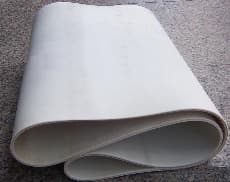
Uality white food grade conveyor belt 600mm x 100m - durable & hygienic
55000 Meters in stock
Conveyor Belts
lanjoh
VerifiedUnited States
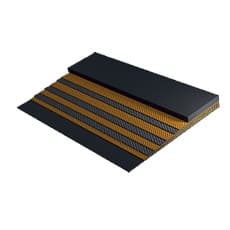
Veyor belt 1000mm x 100m - high-quality rubber belt for efficient material handling
80000 Meters in stock
Conveyor Belts
lanjoh
VerifiedUnited States
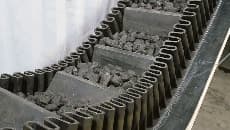
High-quality sidewall conveyor belt for efficient material handling
45000 Meters in stock
Conveyor Belts
lanjoh
VerifiedUnited States
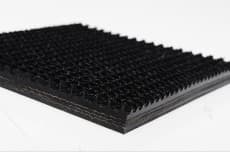
Rough top conveyor belt - durable & heavy-duty for industrial use 600x600mm, 1000kg
9000 Meters in stock
Conveyor Belts
lanjoh
VerifiedUnited States
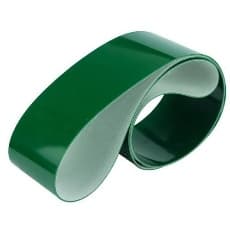
Uality endless conveyor belt for efficient material handling length: 200ft, width: 6in, material: rubber
40000 Meters in stock
Conveyor Belts
lanjoh
VerifiedUnited States
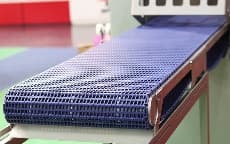
High-quality modular conveyor belt length: 20ft, width: 1ft, material: food grade polypropylene
75000 Meters in stock
Conveyor Belts
lanjoh
VerifiedUnited States
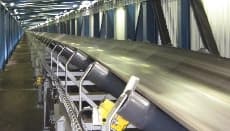
Oil resistant conveyor belt - durable & heat-resistant
5000 Meters in stock
Conveyor Belts
lanjoh
VerifiedUnited States
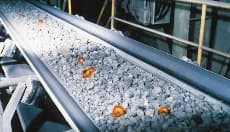
Fire resistant conveyor belt frb-100
95000 Meters in stock
Conveyor Belts
lanjoh
VerifiedUnited States
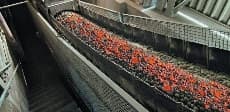
Heat resistant conveyor belt hrcb - durable & heat-resistant | 650°f 343°c | 100 nitrile | food grade | 1000 ft 30
40000 Meters in stock
Conveyor Belts
lanjoh
VerifiedUnited States
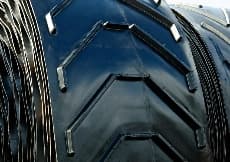
E chevron conveyor belt for efficient material handling length: 25ft, width: 4in, thickness: 0.5in, material: rubber d
25000 Meters in stock
Conveyor Belts
lanjoh
VerifiedUnited States
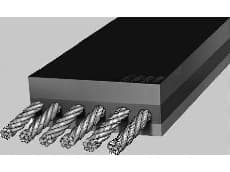
Trength steel cord conveyor belt length: 200m, width: 600mm, steel cords: 12, material: rubber
30000 Meters in stock
Conveyor Belts
lanjoh
VerifiedUnited States
High-quality polyester conveyor belt - durable & heat resistant 600mm x 100m
52000 Meters in stock
Conveyor Belts
lanjoh
VerifiedUnited States
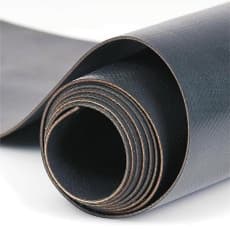
High-strength nylon conveyor belt 650mm x 10m
50000 Meters in stock
Conveyor Belts
lanjoh
VerifiedUnited States
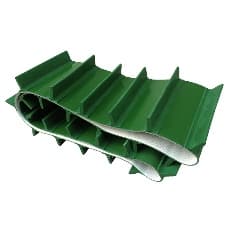
Durable pvc conveyor belt for efficient material handling
55000 Meters in stock
Conveyor Belts
lanjoh
VerifiedUnited States
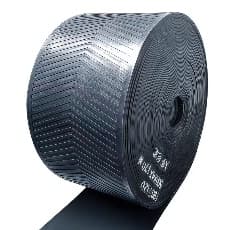
High-quality rubber conveyor belt length: 25ft, width: 4in, thickness: 1 4in, material: nitrile
60000 Meters in stock
Conveyor Belts
lanjoh
VerifiedUnited States
High-quality polyester air filter media 95 efficiency, 1 4 thick, 12 x 12 sheet
5000 Pieces in stock
Filter Fabrics
lanjoh
VerifiedUnited States
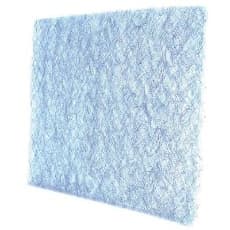
High-quality fiberglass air filter media for efficient air filtration
75000 Pieces in stock
Filter Fabrics
lanjoh
VerifiedUnited States
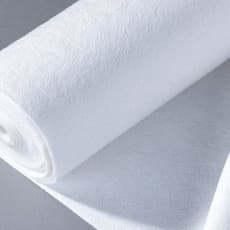
High-quality ptfe membrane filter fabric for various industrial applications
20000 Pieces in stock
Filter Fabrics
lanjoh
VerifiedUnited States
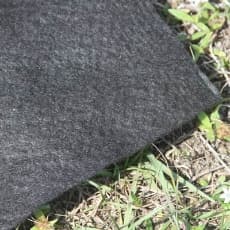
Uality non-woven filter fabric for air and water filtration
65000 Pieces in stock
Filter Fabrics
lanjoh
VerifiedUnited States
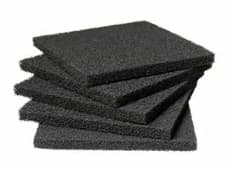
High-quality activated carbon air filter fabric 95 efficiency, 100gsm
45000 Pieces in stock
Filter Fabrics
lanjoh
VerifiedUnited States
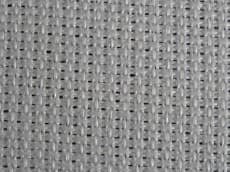
High-quality polypropylene filter fabric 650g m² - durable and efficient for water and air filtration
5000 Pieces in stock
Filter Fabrics
lanjoh
VerifiedUnited States
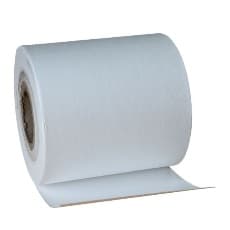
High-quality hepa filter fabric for air purification -
45000 Pieces in stock
Filter Fabrics
lanjoh
VerifiedUnited States
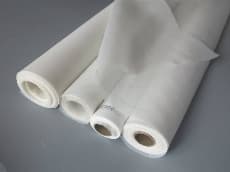
High-quality nylon filter mesh fabric
55000 Pieces in stock
Filter Fabrics
lanjoh
VerifiedUnited States
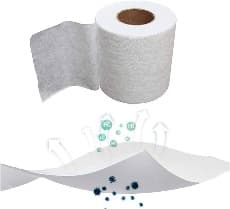
High-quality microfiber filter fabric for industrial applications
55000 Pieces in stock
Filter Fabrics
lanjoh
VerifiedUnited States
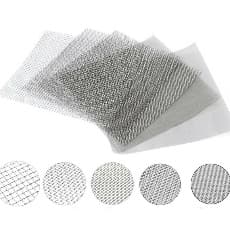
High-quality stainless steel filter mesh 304, 80 mesh, 100 stainless
15000 Pieces in stock
Filter Fabrics
lanjoh
VerifiedUnited States
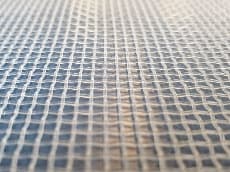
Uality polyester mesh filter fabric for industrial applications -
100000 Pieces in stock
Filter Fabrics
lanjoh
VerifiedUnited States
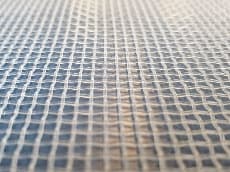
High-quality polyethylene filter fabric 100 polyethylene, 0.5mm thick, 100 mesh
50000 Pieces in stock
Filter Fabrics
lanjoh
VerifiedUnited States
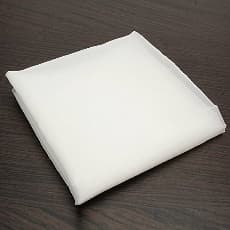
High-quality liquid filtration mesh fabric 90 porosity, 100 cotton
67000 Pieces in stock
Filter Fabrics
lanjoh
VerifiedUnited States
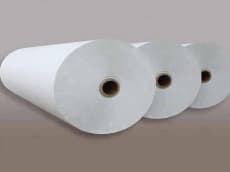
High-quality industrial filter fabric rolls 60gsm, 20 x 30 , pp non-woven
25000 Pieces in stock
Filter Fabrics
lanjoh
VerifiedUnited States
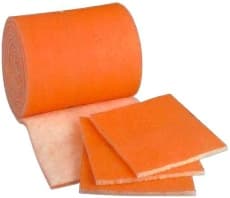
High-quality hvac filter media for maximum airflow
65000 Pieces in stock
Filter Fabrics
lanjoh
VerifiedUnited States
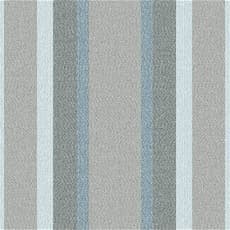
Durable sunbrella awning fabric - waterproof & uv-resistant 650000d
67000 Meters in stock
Awning Fabrics
lanjoh
VerifiedUnited States
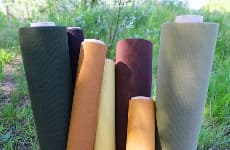
High-quality dickson orchestra awning fabric 100 polyester, waterproof, uv resistant
95000 Meters in stock
Awning Fabrics
lanjoh
VerifiedUnited States
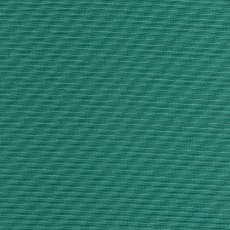
Uality herculite natura awning fabric | durable & uv-resistant | 54 wide | 100 polyester | free shipping
40000 Meters in stock
Awning Fabrics
lanjoh
VerifiedUnited States
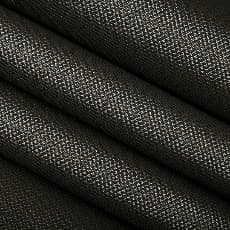
Phifertex plus mesh fabric - heavy duty mesh for durable outdoor use
9000 Meters in stock
Awning Fabrics
lanjoh
VerifiedUnited States
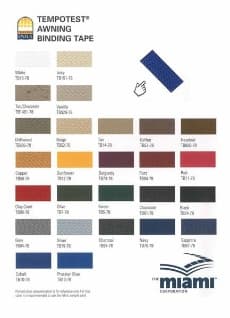
Tempotest marine awning fabric - waterproof and uv-resistant | durable & stretchy | 100 polyester | 5 year warranty
70000 Meters in stock
Awning Fabrics
lanjoh
VerifiedUnited States
A uv marine fabric | durable & water-resistant | 100 polyester | heat-treated | uv stabilized | 600 denier | black spec
15000 Meters in stock
Awning Fabrics
lanjoh
VerifiedUnited States
Coastline awning fabric - durable waterproof canvas for outdoor shading
80000 Meters in stock
Awning Fabrics
lanjoh
VerifiedUnited States
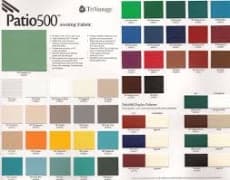
Durable waterproof patio 500 awning fabric
60000 Meters in stock
Awning Fabrics
lanjoh
VerifiedUnited States
High-quality topas awning fabric by sattler ag
1000 Meters in stock
Awning Fabrics
lanjoh
VerifiedUnited States
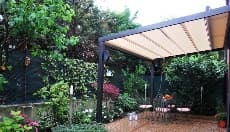
Ferrari 502 awning fabric - waterproof and uv-resistant, durable and stylish
70000 Meters in stock
Awning Fabrics
lanjoh
VerifiedUnited States
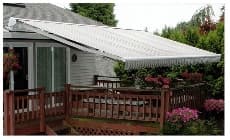
Solarpro awning fabric - durable, water-resistant, and uv-protected
95000 Meters in stock
Awning Fabrics
rowwil
VerifiedUnited States
Durable marine vinyl for boat covers & upholstery - nassimi seaquest
25000 Meters in stock
Awning Fabrics
rowwil
VerifiedUnited States
Eradi-lite awning fabric - durable & uv-resistant
65000 Meters in stock
Awning Fabrics
rowwil
VerifiedUnited States
High-quality solamesh fabric for durable solar panels - keyston bros.
30000 Meters in stock
Awning Fabrics
rowwil
VerifiedUnited States

Durable awnmax awning fabric for commercial use
90000 Meters in stock
Awning Fabrics
rowwil
VerifiedUnited States
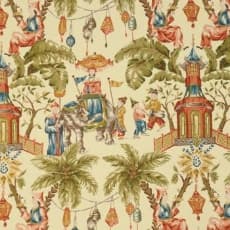
Robert allen upholstery fabric - luxurious velvet texture in 15 dramatic colors
55000 Meters in stock
Upholstery Fabric
rowwil
VerifiedUnited States
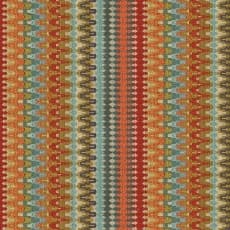
Kravet upholstery fabric - luxury velvet with dramatic pattern
80000 Meters in stock
Upholstery Fabric
rowwil
VerifiedUnited States
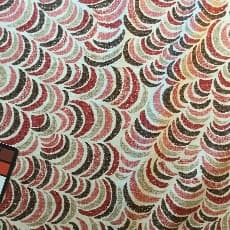
Duralee upholstery fabric - soft touch, stain-resistant, and durable | 55 cotton, 45 polyester | 100 quality guarante
45000 Meters in stock
Upholstery Fabric
rowwil
VerifiedUnited States
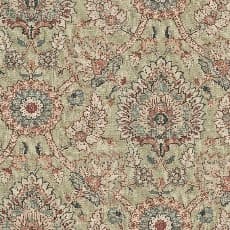
Waverly upholstery fabric - durable & stylish | 54 width x 10 yards long | 100 cotton | heavy weight | multipurpose us
30000 Meters in stock
Upholstery Fabric
rowwil
VerifiedUnited States
Uality p kaufmann upholstery fabric - durable & stylish
20000 Meters in stock
Upholstery Fabric
rowwil
VerifiedUnited States
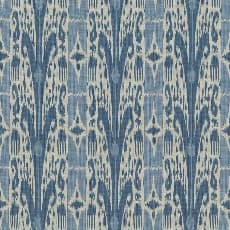
Luxury kasmir fabrics for wholesale - soft, breathable, and durable
70000 Meters in stock
Upholstery Fabric
rowwil
VerifiedUnited States
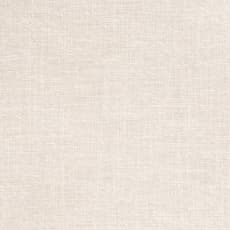
High-quality greenhouse fabrics for maximum yield
25000 Meters in stock
Upholstery Fabric
rowwil
VerifiedUnited States
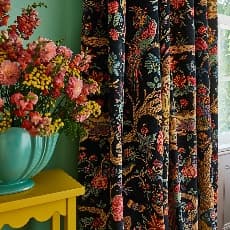
Trend fabrics wholesale - stylish and durable textiles for fashion and home decor
20000 Meters in stock
Upholstery Fabric
rowwil
VerifiedUnited States
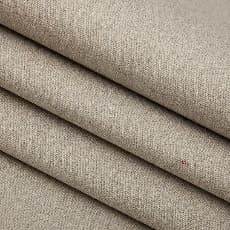
Durable sunbrella upholstery fabric for outdoor furniture 100 waterproof, 5yc, 100 polyester, 54 wide
45000 Meters in stock
Upholstery Fabric
rowwil
VerifiedUnited States
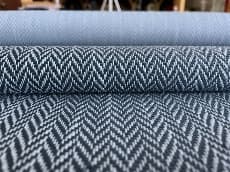
Maharam upholstery fabric | 100 cotton | 54 wide | durable & stain-resistant | b2b wholesale
25000 Meters in stock
Upholstery Fabric
rowwil
VerifiedUnited States
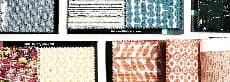
High-quality maxwell fabrics for wholesale - durable and stylish
35000 Meters in stock
Upholstery Fabric
rowwil
VerifiedUnited States
Ralph lauren home fabric - luxury cotton blend upholstery fabric
40000 Meters in stock
Upholstery Fabric
rowwil
VerifiedUnited States
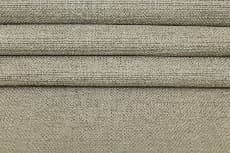
Crypton home upholstery fabric - durable & stain-resistant
75000 Meters in stock
Upholstery Fabric
rowwil
VerifiedUnited States
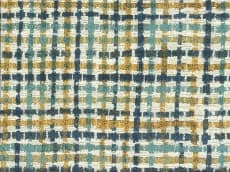
Ous fabricut upholstery fabric 60 polyester, 40 cotton - soft touch, durable & stain-resistant | fabric type: uphols
30000 Meters in stock
Upholstery Fabric
rowwil
VerifiedUnited States
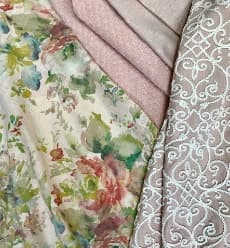
Luxury covington fabric & design wholesale - softness and style in every stitch
70000 Meters in stock
Upholstery Fabric
rowwil
VerifiedUnited States