

Electrical Panels
(60 products from verified suppliers)
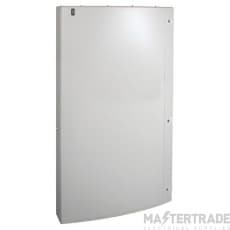
Hager invicta 3 panelboard - 30a 240v neutral load center with 20a branch circuits - ul listed - 600a breaker - 10-year
10000 Pieces in stock
Electrical Panels
juacol
VerifiedUnited States
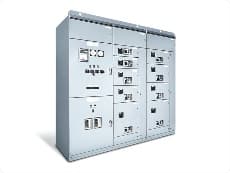
Hyundai electric low voltage distribution panel 600v, 100a, ip65
90000 Pieces in stock
Electrical Panels
juacol
VerifiedUnited States
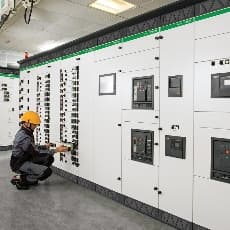
Schneider electric okken switchboard 100a, 3p + 16no, ip20
30000 Pieces in stock
Electrical Panels
juacol
VerifiedUnited States
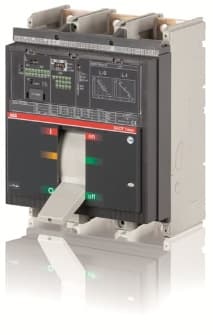
Uality abb tmax t7 panelboard for reliable electrical distribution
60000 Pieces in stock
Electrical Panels
juacol
VerifiedUnited States
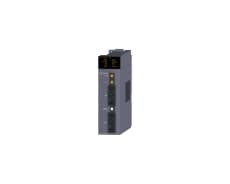
Ishi electric melsec system q control panel -
60000 Pieces in stock
Electrical Panels
juacol
VerifiedUnited States
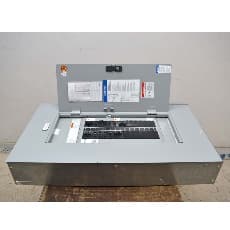
Eaton pow-r-line panelboard - 200a, 120 240v, ul listed, nema 14-50r
5000 Pieces in stock
Electrical Panels
juacol
VerifiedUnited States

S siebreak-vcb panelboard - 60a, 3p, 125v, nema 14, 100 sustainable
20000 Pieces in stock
Electrical Panels
juacol
VerifiedUnited States

Schneider electric canalis busway - high-quality, sleek busway system for efficient electrical distribution
85000 Pieces in stock
Electrical Panels
juacol
VerifiedUnited States
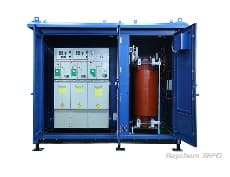
L&t gem compact substation - 3 phase power distribution with advanced controls
85000 Pieces in stock
Electrical Panels
juacol
VerifiedUnited States
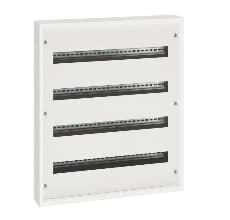
Legrand xl3 electrical distribution panel - 32 circuit breakers, 100a max load, 10kv isolation
5000 Pieces in stock
Electrical Panels
juacol
VerifiedUnited States
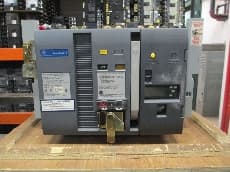
High-quality ge powerbreak ii panelboard - 60a 2p - 120v ac - 100 copper - ul listed - 5-year warranty
15000 Pieces in stock
Electrical Panels
juacol
VerifiedUnited States
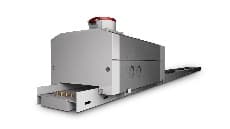
S sivacon 8ps busbar trunking system - high-quality electrical distribution solution
25000 Pieces in stock
Electrical Panels
juacol
VerifiedUnited States
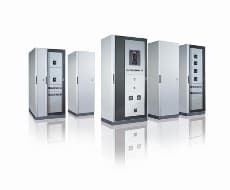
Abb system pro e power panel - 200a, 3 phase, ip65 rated, 10 year warranty
20000 Pieces in stock
Electrical Panels
juacol
VerifiedUnited States
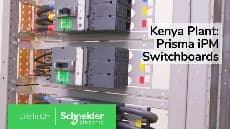
Der electric prisma ipm switchboard - high-performance, sleek design for commercial buildings
20000 Pieces in stock
Electrical Panels
juacol
VerifiedUnited States
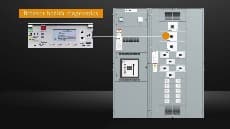
Eaton pow-r-line xpert panelboard - 200a, 3-phase, ul listed, 10ka sccr, 24-7 64 terminals
3500 Pieces in stock
Electrical Panels
juacol
VerifiedUnited States
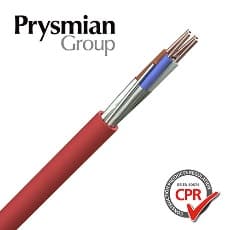
Prysmian group fp200 gold fire-resistant cable - 600v, 100 flame-free, 20 awg, 500ft
60000 Pieces in stock
Wires & Cables
glemor
VerifiedUnited States
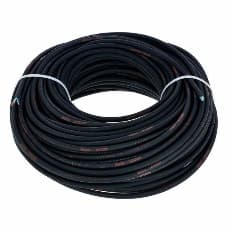
Nexans titanex h07rn-f rubber cable - high-quality, flexible, and durable
50000 Pieces in stock
Wires & Cables
glemor
VerifiedUnited States
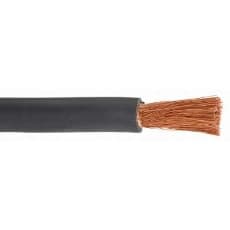
Uality carolprene welding cable - 60ft length x 1 4 dia - 600v rating - general cable
15000 Pieces in stock
Wires & Cables
glemor
VerifiedUnited States
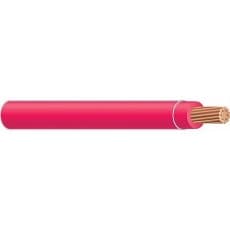
Southwire simpull thhn copper building wire 600v, 10 awg, 500ft
85000 Pieces in stock
Wires & Cables
glemor
VerifiedUnited States
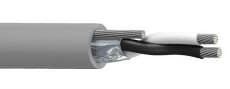
High-quality belden 8760 multi-conductor cable 100ft, 14 awg, stranded, shielded
30000 Pieces in stock
Wires & Cables
glemor
VerifiedUnited States
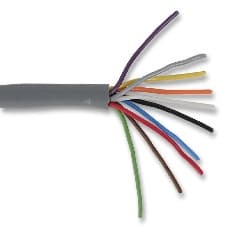
Polycab flexible control cable - 100 copper, 20 awg, 50ft long, 3-prong, flexible, industrial grade
30000 Pieces in stock
Wires & Cables
glemor
VerifiedUnited States
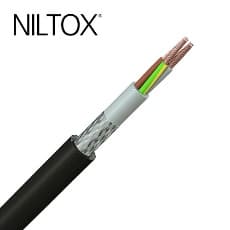
Leoni lshf fire resistant cable 105°c, 250v, 20a, 24awg
60000 Pieces in stock
Wires & Cables
glemor
VerifiedUnited States
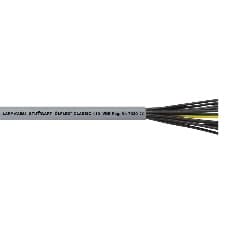
Lflex classic 110 control cable - 305 cm long, 0.5 mm thick, 4-pin m f connector - for industrial automation & control s
30000 Pieces in stock
Wires & Cables
glemor
VerifiedUnited States
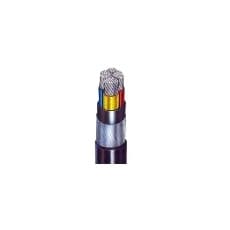
High-quality xlpe power cable | kei industries | 100 pure polyethylene insulation | 350°c max temperature | 10-year war
30000 Pieces in stock
Wires & Cables
glemor
VerifiedUnited States
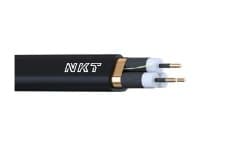
Nkt group medium voltage power cable 1500v, 10mm2, pvc insulated, 500m
80000 Pieces in stock
Wires & Cables
glemor
VerifiedUnited States
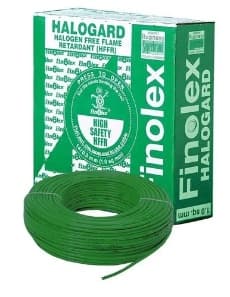
Finolex house wire - high quality & durable electrical wiring
1000 Pieces in stock
Wires & Cables
glemor
VerifiedUnited States
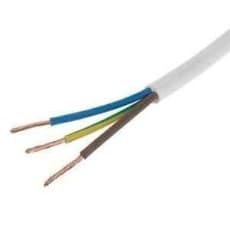
S multicore flexible cable -
80000 Pieces in stock
Wires & Cables
glemor
VerifiedUnited States
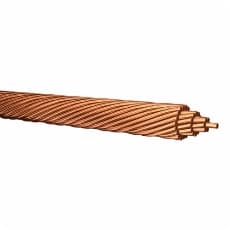
Uality copper electrical wire | encore wire | 60 stronger than copper clad aluminum | 100 copper | 20 awg - 12 awg | b
20000 Pieces in stock
Wires & Cables
glemor
VerifiedUnited States
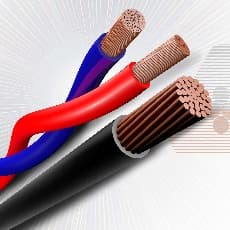
Riyadh cables fire resistant lszh cable 100 flame retardant, 90°c tested, 20 awg
5000 Pieces in stock
Wires & Cables
glemor
VerifiedUnited States
High-speed sumitomo electric fiber optic cable - 10gbps, 1000ft
50000 Pieces in stock
Wires & Cables
glemor
VerifiedUnited States
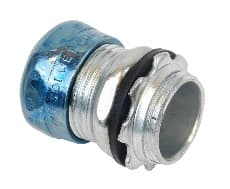
Atkore intl emt electrical metallic tubing 6-10awg - 1000ft bulk pack
10000 Pieces in stock
Conduit & Raceways
glemor
VerifiedUnited States
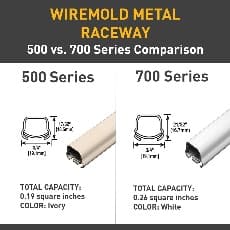
D wiremold raceway
20000 Pieces in stock
Conduit & Raceways
glemor
VerifiedUnited States
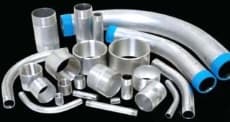
And tube galvanized rigid conduit grc - durable & corrosion-resistant electrical conduit
95000 Pieces in stock
Conduit & Raceways
glemor
VerifiedUnited States
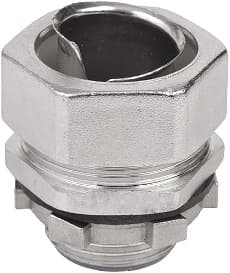
Te stainless steel conduit 10ft | durable, corrosion-resistant electrical solution
5000 Pieces in stock
Conduit & Raceways
glemor
VerifiedUnited States
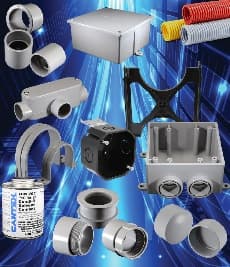
Cantex pvc electrical conduit 100ft x 1 2in - strong, lightweight, and flexible for electrical wiring
30000 Pieces in stock
Conduit & Raceways
glemor
VerifiedUnited States
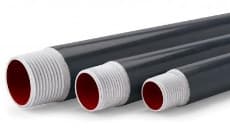
Robroy plasti-bond pvc coated conduit 600v, 1 2 od, 100ft - durable, uv resistant, and easy installation
80000 Pieces in stock
Conduit & Raceways
glemor
VerifiedUnited States
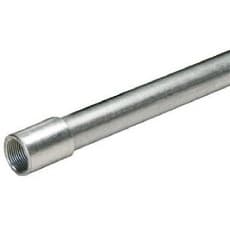
Allied tube & conduit imc conduit galvanized, 1 2 diameter, 100ft length
85000 Pieces in stock
Conduit & Raceways
glemor
VerifiedUnited States
On fiberglass fiberglass conduit - durable & lightweight electrical solution
90000 Pieces in stock
Conduit & Raceways
glemor
VerifiedUnited States
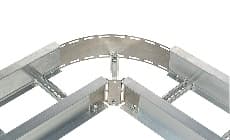
T&b cable tray - durable steel cable management system
5000 Pieces in stock
Conduit & Raceways
glemor
VerifiedUnited States

Snake tray underfloor cable management - organize cables with ease
85000 Pieces in stock
Conduit & Raceways
glemor
VerifiedUnited States
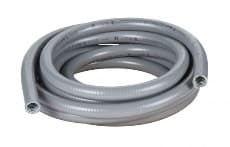
Electri-flex liquatite flexible conduit - durable & flexible electrical conduit 600v, 1 2 id, 100ft
80000 Pieces in stock
Conduit & Raceways
glemor
VerifiedUnited States
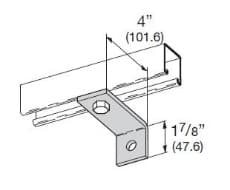
Eaton b-line bolted framing strut systems
80000 Pieces in stock
Conduit & Raceways
glemor
VerifiedUnited States
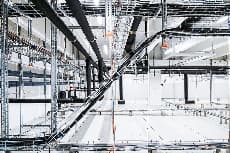
Ttermann cable management systems - organize, secure, and protect your cables
10000 Pieces in stock
Conduit & Raceways
glemor
VerifiedUnited States

Panduit fiberrunner cable routing systems - efficiently route and organize fiber cables
35000 Pieces in stock
Conduit & Raceways
glemor
VerifiedUnited States
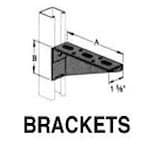
Strut metal framing systems - durable & versatile for commercial construction
80000 Pieces in stock
Conduit & Raceways
glemor
VerifiedUnited States
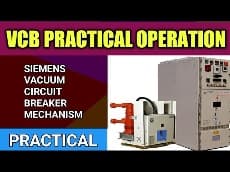
Siemens siebreak-vcb vacuum circuit breaker - 65a, 12kv, 1p + 2p, 1sec interval, 10yr warranty
85000 Pieces in stock
Circuit Breakers
glemor
VerifiedUnited States
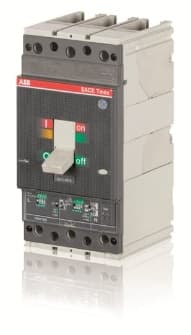
Abb tmax t circuit breaker - 65a, 10ka, 1000v ac, 1 pole, iec 60947-2, type tb, ip2x
30000 Pieces in stock
Circuit Breakers
glemor
VerifiedUnited States
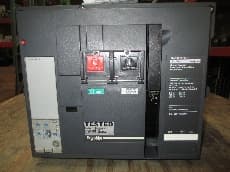
Der electric masterpact nw circuit breaker - 60a, 3 phase, 10ka sccr, ip20
65000 Pieces in stock
Circuit Breakers
glemor
VerifiedUnited States
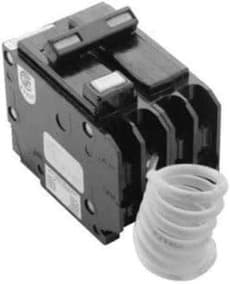
High-quality gfcb circuit breaker | 600a | 120 277v | 1-pole | 1-group | tested | fast ship
75000 Pieces in stock
Circuit Breakers
glemor
VerifiedUnited States
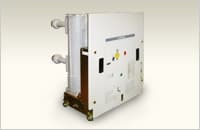
Mitsubishi electric ae-vcb vacuum circuit breaker - 650a, 10kv, 1p, air-insulated, iec 60947-2
52000 Pieces in stock
Circuit Breakers
glemor
VerifiedUnited States
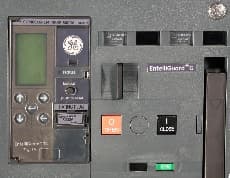
Uality general electric ge entelliguard g circuit breaker - 60ka, 12kv, 1-pole, plug-in, type b, iec 60947-2 descripti
85000 Pieces in stock
Circuit Breakers
juacol
VerifiedUnited States
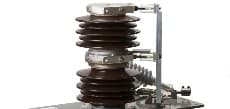
High-speed circuit breaker 100ka, 15kv -
75000 Pieces in stock
Circuit Breakers
juacol
VerifiedUnited States
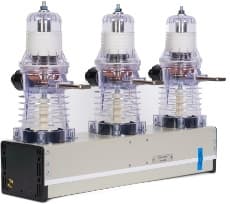
A electric vcb vacuum circuit breaker - 65a, 12kv, 1p 2p, 10ms, 10bar
95000 Pieces in stock
Circuit Breakers
juacol
VerifiedUnited States
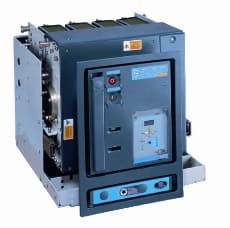
L&t air circuit breaker - 1000a, 10kv, 3 phase, iec 60947-2
75000 Pieces in stock
Circuit Breakers
juacol
VerifiedUnited States
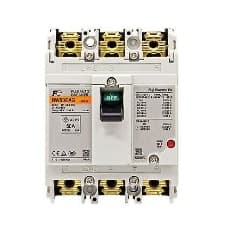
Lectric eg series molded case circuit breaker - 60a, 12kv, 1p + 1s, copper contacts
70000 Pieces in stock
Circuit Breakers
juacol
VerifiedUnited States
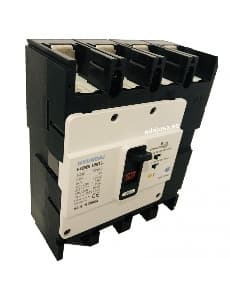
Hyundai electric molded case circuit breaker 100a, 24v, 3p, screw terminals
1500 Pieces in stock
Circuit Breakers
juacol
VerifiedUnited States
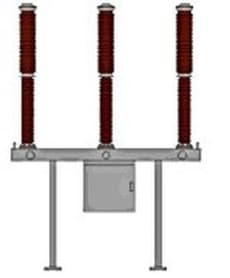
Siemens 3ap vacuum circuit breaker - 65a, 10kv, 1p, type 3, air break
52000 Pieces in stock
Circuit Breakers
juacol
VerifiedUnited States
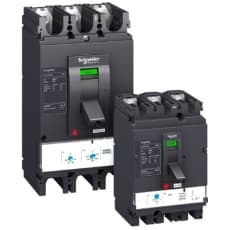
Schneider electric easypact cvs molded case circuit breaker - 65a, 1250v, 1p, 16a, 10ka, 30mins, type b, 3 phase
25000 Pieces in stock
Circuit Breakers
juacol
VerifiedUnited States
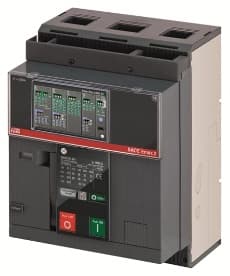
Ax 2 air circuit breaker 65a, 24v dc, 1p + 1n - fast & reliable protection for electrical systems
100000 Pieces in stock
Circuit Breakers
juacol
VerifiedUnited States
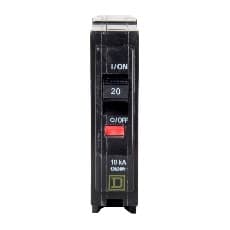
Square d qo circuit breaker - 20a 125v ac, 1-pole, 10ka sccr, type qo
60000 Pieces in stock
Circuit Breakers
juacol
VerifiedUnited States