

Fiber Optic Cables
(60 products from verified suppliers)
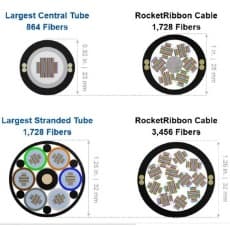
G rocketribbon extreme density cable 500mhz, 30awg, 100ft
55000 Pieces in stock
Fiber Optic Cables
herhar
VerifiedUnited States
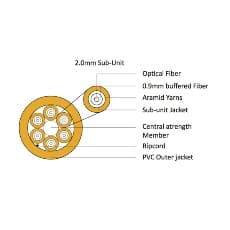
A flexlight pro fiber optic cable - 10gbps speed, 305m long, 8km distance, 1.2mm jacket diameter
85000 Pieces in stock
Fiber Optic Cables
herhar
VerifiedUnited States
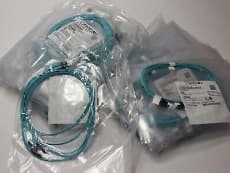
Peed commscope systimax lazrspeed 550 om4 fiber cable - 1000ft bulk pack
35000 Pieces in stock
Fiber Optic Cables
herhar
VerifiedUnited States
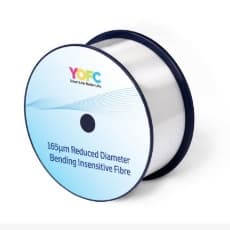
Uality g.652d fiber cables by yangtze optical fiber and cable co. |
25000 Pieces in stock
Fiber Optic Cables
herhar
VerifiedUnited States
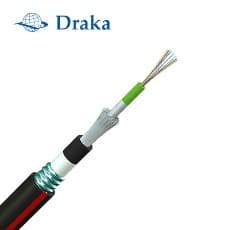
High-quality draka ez-bend invisilight fiber optic cable 100m - 50 125um, om3, 10gbps, 100m
45000 Pieces in stock
Fiber Optic Cables
herhar
VerifiedUnited States
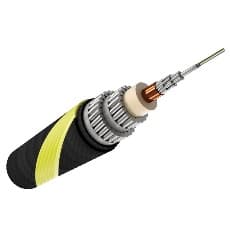
Nexans rollribbon fiber optic cable - 10gbps, 300m, om3, 50 125um, 10km
50000 Pieces in stock
Fiber Optic Cables
herhar
VerifiedUnited States
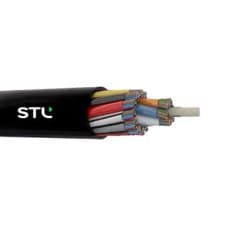
Sterlite tech e-series microcables - high-speed, low-loss copper cables for data center applications
67000 Pieces in stock
Fiber Optic Cables
herhar
VerifiedUnited States
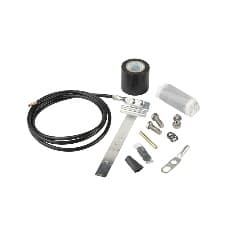
Erformance commscope heliax fiberfeed hybrid cable -
45000 Pieces in stock
Fiber Optic Cables
herhar
VerifiedUnited States
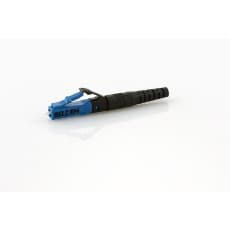
Belden fiberexpress brilliance field-term lc connectors 1000pcs - high-quality, low-loss connectors for fiber optic ne
45000 Pieces in stock
Fiber Optic Cables
herhar
VerifiedUnited States

Afl wrapping tube cable 65ft x 1 4in - durable & flexible tubing for easy cord management
5000 Pieces in stock
Fiber Optic Cables
herhar
VerifiedUnited States
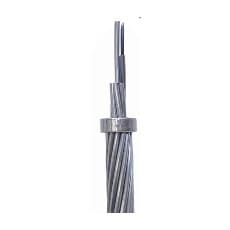
Ra opgw optical ground wire - high-quality, low-loss fiber optic solution for telecom and datacom applications specifi
10000 Pieces in stock
Fiber Optic Cables
herhar
VerifiedUnited States
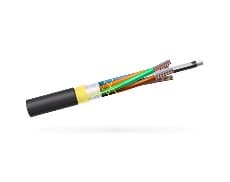
Uality ofs accutube+ fiber optic cable for b2b wholesale
75000 Pieces in stock
Fiber Optic Cables
herhar
VerifiedUnited States
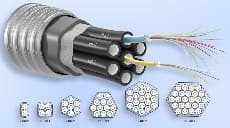
Futureflex air-blown fiber - high-performance, low-loss connectivity
3500 Pieces in stock
Fiber Optic Cables
herhar
VerifiedUnited States
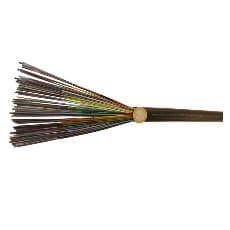
Prysmian group flexribbon fiber optic cable 10gbps, 300m, om3 - high-speed data transmission
10000 Pieces in stock
Fiber Optic Cables
herhar
VerifiedUnited States
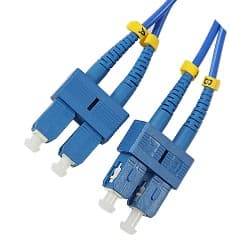
G clearcurve bend-insensitive optical fiber 1000ft, 1.6mm id, 200um - high-density fiber for reliable signal transmiss
10000 Pieces in stock
Fiber Optic Cables
herhar
VerifiedUnited States

Avaya ip office telephone system - 9000 series digital phones with video conferencing capabilities
25000 Pieces in stock
Telephone Systems
keimar
VerifiedUnited States
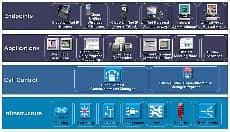
Cisco unified communications manager ucm - wholesale b2b
15000 Pieces in stock
Telephone Systems
keimar
VerifiedUnited States
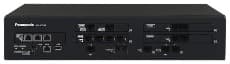
Panasonic kx-ns700 business communications system - 7-line digital phone system with advanced features
25000 Pieces in stock
Telephone Systems
keimar
VerifiedUnited States

Mitel mivoice business telephone system - 30 off for wholesale buyers
90000 Pieces in stock
Telephone Systems
keimar
VerifiedUnited States
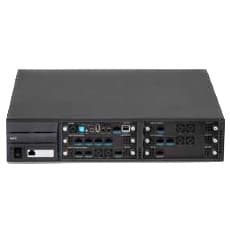
Nec sv9100 communication server - high-performance unified communications solution
85000 Pieces in stock
Telephone Systems
keimar
VerifiedUnited States
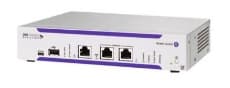
Alcatel-lucent enterprise ale omnipcx office rce - wholesale voip phone system with advanced features
75000 Pieces in stock
Telephone Systems
herhar
VerifiedUnited States

Shoretel connect cloud phone system - unified communications for businesses
75000 Pieces in stock
Telephone Systems
herhar
VerifiedUnited States

Grandstream ucm ip pbx series - high-performance voip solutions for businesses
3500 Pieces in stock
Telephone Systems
herhar
VerifiedUnited States

Espace unified communications solution
75000 Pieces in stock
Telephone Systems
herhar
VerifiedUnited States
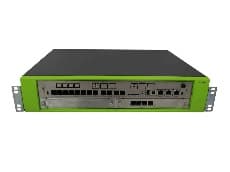
Unify openscape business telephone system - 100 cloud-based, scalable, and integrated communications solution specifica
67000 Pieces in stock
Telephone Systems
herhar
VerifiedUnited States
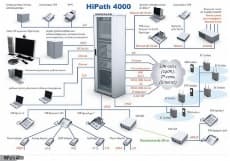
S hipath 4000 communication platform - enhanced collaboration & productivity for businesses
10000 Pieces in stock
Telephone Systems
herhar
VerifiedUnited States
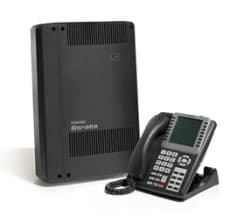
Toshiba strata cix ip business telephone system - 12 lines, 50 sip accounts, 1000 records
90000 Pieces in stock
Telephone Systems
herhar
VerifiedUnited States
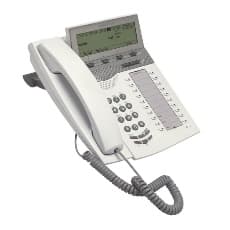
Aastra businessphone 500 communication system - 100 sip compatible, 300 users, 1000 extensions
75000 Pieces in stock
Telephone Systems
herhar
VerifiedUnited States

High-performance yeastar s-series voip pbx - 30 off for b2b orders
5000 Pieces in stock
Telephone Systems
herhar
VerifiedUnited States
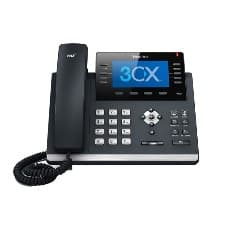
3cx phone system - wholesale voip solutions for businesses
55000 Pieces in stock
Telephone Systems
herhar
VerifiedUnited States
On radio system - high-performance wireless communication solutions
52000 Pieces in stock
Cellular Network Equipment
herhar
VerifiedUnited States
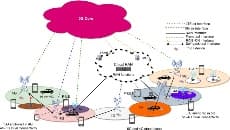
Huawei 5g ran radio access network - high-speed connectivity solutions for businesses
60000 Pieces in stock
Cellular Network Equipment
herhar
VerifiedUnited States

Airscale radio access - high-capacity, low-latency ran solutions
75000 Pieces in stock
Cellular Network Equipment
herhar
VerifiedUnited States
Zte wireless solutions - high-speed wi-fi connectivity for businesses
35000 Pieces in stock
Cellular Network Equipment
herhar
VerifiedUnited States
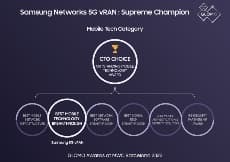
Samsung networks 5g ran - high-speed connectivity solutions
90000 Pieces in stock
Cellular Network Equipment
herhar
VerifiedUnited States
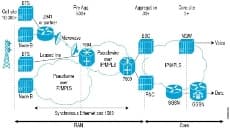
Mobile backhaul - high-speed connectivity for cellular networks
70000 Pieces in stock
Cellular Network Equipment
herhar
VerifiedUnited States
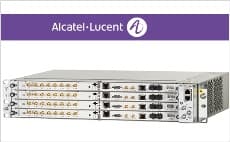
Alcatel-lucent nokia lte radio access solution - high-speed connectivity for businesses
80000 Pieces in stock
Cellular Network Equipment
herhar
VerifiedUnited States
High-speed qualcomm snapdragon x series modems up to 2 gbps downlink
75000 Pieces in stock
Cellular Network Equipment
herhar
VerifiedUnited States

Erformance commscope macro cell site antennas 900mhz-3.8ghz - 10db gain, 360° coverage, weatherproof
25000 Pieces in stock
Cellular Network Equipment
herhar
VerifiedUnited States
Packet networking solutions - high-speed connectivity for businesses
25000 Pieces in stock
Cellular Network Equipment
herhar
VerifiedUnited States
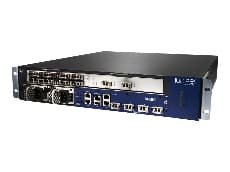
R networks mobile backhaul routers m5-x | high-speed connectivity for cellular networks | 10gbps speed | scalable arch
5000 Pieces in stock
Cellular Network Equipment
herhar
VerifiedUnited States
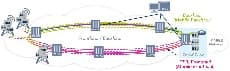
Infinera mobile fronthaul solutions - high-speed connectivity for 5g networks
70000 Pieces in stock
Cellular Network Equipment
herhar
VerifiedUnited States

La solutions public safety lte - reliable communication for first responders
20000 Pieces in stock
Cellular Network Equipment
herhar
VerifiedUnited States

Cambium networks point-to-multipoint wireless broadband - high-speed connectivity for rural areas
80000 Pieces in stock
Cellular Network Equipment
herhar
VerifiedUnited States
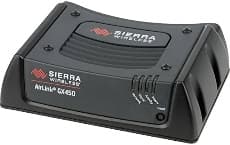
Sierra wireless airlink cellular gateways - high-speed connectivity solutions for businesses
60000 Pieces in stock
Cellular Network Equipment
herhar
VerifiedUnited States
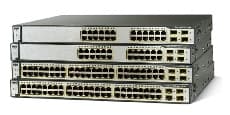
Erformance cisco catalyst switches for scalable networking
45000 Pieces in stock
Networking Equipment
herhar
VerifiedUnited States
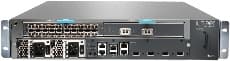
High-performance mx series routers for scalable networking
75000 Pieces in stock
Networking Equipment
herhar
VerifiedUnited States
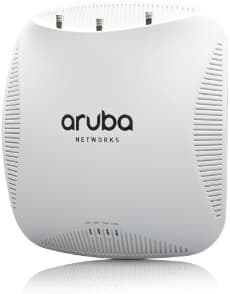
Aruba networks wireless access points - high-speed connectivity solutions
40000 Pieces in stock
Networking Equipment
herhar
VerifiedUnited States
Oliant dl servers - high-performance, scalable solutions for b2b buyers
85000 Pieces in stock
Networking Equipment
herhar
VerifiedUnited States
Ti unifi switches - high-speed, poe-capable, & scalable networking solutions
10000 Pieces in stock
Networking Equipment
herhar
VerifiedUnited States
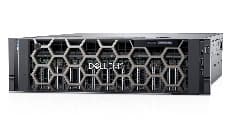
Dell emc poweredge servers - high-performance computing solutions
1000 Pieces in stock
Networking Equipment
herhar
VerifiedUnited States
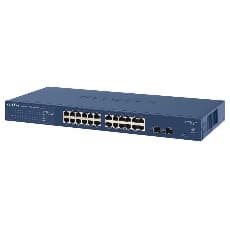
Netgear smart managed pro switches - up to 48 ports, 10gbps speeds, poe+, and advanced security sg1000, sg300, sg500
25000 Pieces in stock
Networking Equipment
herhar
VerifiedUnited States
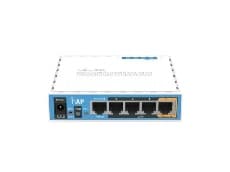
Mikrotik routerboard 411g-5hac dual-band wireless gigabit router
75000 Pieces in stock
Networking Equipment
herhar
VerifiedUnited States
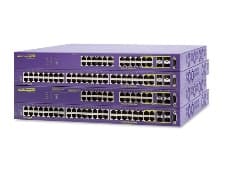
High-performance summit switches for scalable networks
10000 Pieces in stock
Networking Equipment
herhar
VerifiedUnited States
Palo alto networks next-gen firewalls - high-speed security protection
45000 Pieces in stock
Networking Equipment
herhar
VerifiedUnited States
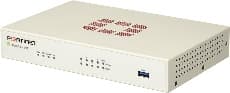
Fortinet fortigate security appliances | advanced firewalls & utm solutions | b2b wholesale
25000 Pieces in stock
Networking Equipment
fremed
VerifiedUnited States
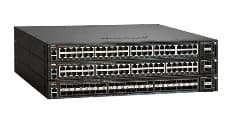
Ruckus networks icx switches - high-performance, scalable switching solutions
70000 Pieces in stock
Networking Equipment
fremed
VerifiedUnited States
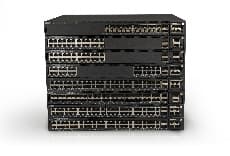
High-performance brocade icx campus switches | 10gbe 40gbe 100gbe | 1-16 ports | 32-128 ports | 100-500+ ports | poe+ no
10000 Pieces in stock
Networking Equipment
fremed
VerifiedUnited States
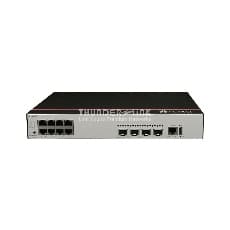
Huawei cloudengine switches - high-speed networking solutions
80000 Pieces in stock
Networking Equipment
fremed
VerifiedUnited States
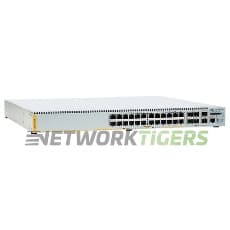
High-performance allied telesis at-x series switches | 10 100 1000mbps | 24 48 ports | 1u rack mount | lifetime warranty
67000 Pieces in stock
Networking Equipment
fremed
VerifiedUnited States