Buy Fiberglass Wholesale From Fiberglass Suppliers
Rexcer.com is a leading online platform that connects buyers with suppliers of fiberglass products from around the world. As a wholesale buyer, you can find the lowest prices on fiberglass products from various suppliers on our website. We have a wide range of fiberglass products available, including chopped strand mat, glass fiber rovings, and woven roving, among others. Our suppliers are located in countries such as China, India, and Taiwan, and they offer competitive prices and high-quality products. By buying fiberglass wholesale from Rexcer.com, you can save time and money while getting access to a wide range of products from reputable suppliers.
In addition to providing a platform for buying fiberglass wholesale, Rexcer.com also offers a range of services to help you find the right products and suppliers. Our team of experts can help you source products that meet your specific requirements, and we can also provide you with information on the suppliers we work with, including their product offerings, pricing, and shipping terms. By working with Rexcer.com, you can ensure that you are getting the best fiberglass products at the lowest prices from reputable suppliers around the world.
Fiberglass Overview For Buy Bulk
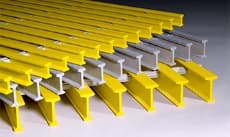
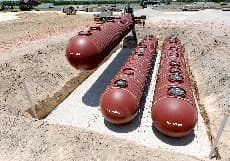
Fiberglass is a versatile and widely used composite material that is made by combining glass fibers with a polymer resin. It is lightweight, durable, and resistant to corrosion, making it an ideal material for a variety of applications in industries such as aerospace, automotive, construction, and more. Fiberglass is also a cost-effective alternative to traditional materials like metal, which can help reduce material costs and improve manufacturing efficiency.
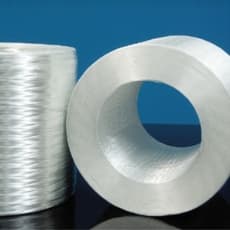
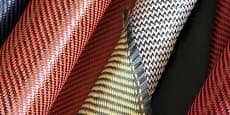
The glass fibers used in fiberglass are typically made from high-quality glass rods that are wound together to form a yarn. This yarn is then combined with a polymer resin, such as epoxy or polyester, and molded into the desired shape using a variety of techniques, including hand layup, vacuum bagging, and resin transfer molding. The resulting fiberglass product can be further processed and finished to meet specific requirements, such as painting, coating, or laminating.
Fiberglass has a number of advantages over other composite materials, including its high strength-to-weight ratio, excellent thermal insulation properties, and resistance to chemical corrosion. It is also relatively easy to repair and maintain, making it a popular choice for applications where durability and reliability are critical. With its versatility and cost-effectiveness, fiberglass has become a go-to material for a wide range of industries and applications, and its popularity is only expected to continue to grow in the future.
Fiberglass Advantages And Disadvantages
Fiberglass is a versatile and widely used material that offers several advantages over other materials. Here are some of the key benefits of using fiberglass:
Advantages:
1. Lightweight: Fiberglass is significantly lighter than traditional materials like metal, making it an ideal choice for applications where weight reduction is crucial. This is particularly important in the automotive and aerospace industries, where fuel efficiency and performance are critical.
2. Corrosion-resistant: Fiberglass is non-corrosive and non-reactive, which means it can withstand exposure to harsh chemicals and extreme environments without degrading. This makes it an excellent choice for applications in industries like marine, chemical processing, and oil and gas.
Disadvantages:
1. Limited strength: While fiberglass is strong and durable, it has limited tensile strength compared to other materials like steel or aluminum. This can be a limitation in applications where high tensile strength is required.
2. Difficulty in repairing: Fiberglass is difficult to repair compared to other materials, as it can delaminate or crack easily during the repair process. This can lead to a significant increase in costs and downtime for repairs.
3. High cost: While fiberglass is generally less expensive than other materials, it can be more expensive than some other composites. This can be a limitation in applications where cost is a significant factor.
4. Limited thermal conductivity: Fiberglass has limited thermal conductivity, which can make it less suitable for applications where heat management is critical.
5. Difficulty in molding: Fiberglass can be challenging to mold and shape, particularly for complex geometries. This can lead to increased production costs and longer lead times.
6. Limited recyclability: Fiberglass is difficult to recycle, which can make it less sustainable than other materials. This can be a concern in applications where environmental sustainability is a priority.
Frequently Question About Buying Fiberglass Wholesale
Question 1: What is fiberglass, and how is it used?
Answer: Fiberglass is a type of composite material made from glass fibers combined with a polymer resin. It is lightweight, durable, and resistant to corrosion, making it an ideal material for a wide range of applications, including boat hulls, automotive parts, and industrial equipment. Fiberglass can be molded into various shapes and forms, such as sheets, rods, or tubes, depending on the desired application.
Question 2: How does fiberglass compare to other materials in terms of cost and performance?
Answer: Fiberglass is generally more cost-effective than other materials, such as metal or wood, while still offering excellent performance and durability. It is also lightweight, which can lead to fuel efficiency and reduced transportation costs in some applications. In addition, fiberglass can be recycled and reused, making it a more sustainable option. However, the cost of fiberglass can vary depending on the specific type and quality of the material, as well as the complexity of the manufacturing process.
Question 3: What are the potential health risks associated with working with fiberglass?
Answer: Fiberglass can pose health risks if proper safety measures are not taken during handling, cutting, or sanding. The glass fibers can become airborne and cause respiratory problems, skin irritation, or other health issues. It is important to wear protective gear, such as gloves, safety glasses, and a mask, when working with fiberglass. In addition, proper ventilation and dust collection systems should be in place to minimize exposure to fiberglass particles.
Question 4: How do I determine the right fiberglass product for my application?
Answer: Choosing the right fiberglass product for your application can depend on various factors, such as the desired strength and durability, the operating temperature range, and the environmental conditions. Here are some steps to help you select the right fiberglass product:
1. Identify the specific application and the desired
Tips To Find The Best Fiberglass Price
1. Use the search function: Rexcer B2B platform provides a powerful search function that allows you to find suppliers of fiberglass based on various criteria such as location, product type, and minimum order quantity. Use this function to narrow down your search and find the right supplier for your needs.
2. Check the supplier's profile: Before making a purchase, it's important to check the supplier's profile to ensure they are a reputable and reliable business. Look for information such as their company history, product range, certifications, and customer reviews. This will help you make an informed decision and avoid potential risks.
3. Compare prices and quality: Rexcer B2B platform allows you to compare prices and quality of fiberglass from different suppliers. Use this feature to find the best deal that meets your requirements and budget. Keep in mind that the cheapest option may not always be the best value in the long run, so be sure to consider other factors such as the supplier's reputation and the quality of their products.