

Interfacing & Fusible
(60 products from verified suppliers)
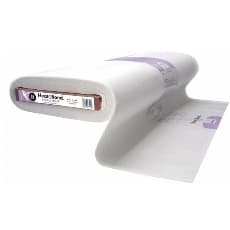
Thermo-o-web fusible fleece - soft, breathable, and versatile insulation
60000 Meters in stock
Interfacing & Fusible
kylsmi
VerifiedUnited States
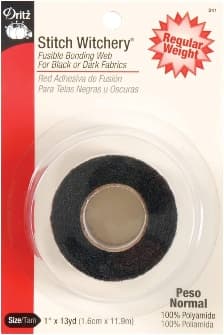
E heavy duty fusible fleece for wholesale - 60 wide x 50 yards long - great for crafting, quilting, and home decor dri
9000 Meters in stock
Interfacing & Fusible
kylsmi
VerifiedUnited States
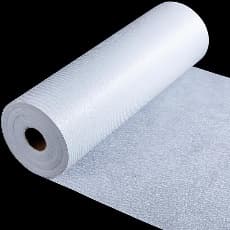
Uality vilene s320 woven fusible sew-in interfacing
35000 Meters in stock
Interfacing & Fusible
kylsmi
VerifiedUnited States
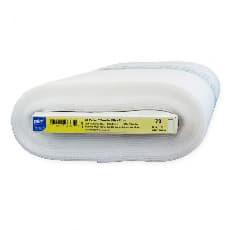
Pellon peltex heavyweight stabilizer - 100 cotton, 10 oz, 24 x 40
45000 Meters in stock
Interfacing & Fusible
kylsmi
VerifiedUnited States
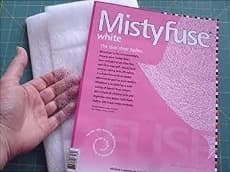
Uality mistyfuse fusible web for professional crafting 60g, 100 cotton, 100 polyester, 100 linen
30000 Meters in stock
Interfacing & Fusible
kylsmi
VerifiedUnited States
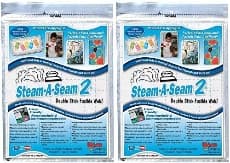
Steam-a-seam 2 double stick fusible web - 12 x 10yds - for crafting, quilting, and home decor
60000 Meters in stock
Interfacing & Fusible
kylsmi
VerifiedUnited States
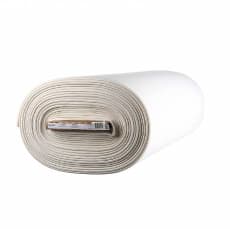
Bosal in-r-form single-sided fusible foam stabilizer - 1 4 thick, 24 x 36 size, ideal for quilting, appliqué, and pap
25000 Meters in stock
Interfacing & Fusible
kylsmi
VerifiedUnited States
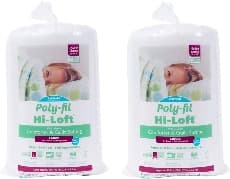
Oft bonded polyester batting | fairfield poly-fil | b2b wholesale
85000 Meters in stock
Interfacing & Fusible
kylsmi
VerifiedUnited States
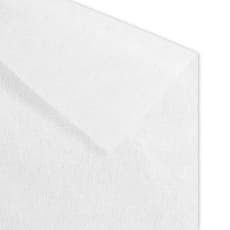
High-quality pellon 906f fusible sheerweight for stretch fabrics 65g, 12 x 10yd
52000 Meters in stock
Interfacing & Fusible
kylsmi
VerifiedUnited States
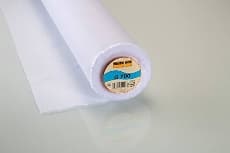
High-quality vilene g700 woven fusible interfacing for sturdy garments 65g m², 100 polyester, 50 wide
67000 Meters in stock
Interfacing & Fusible
kylsmi
VerifiedUnited States
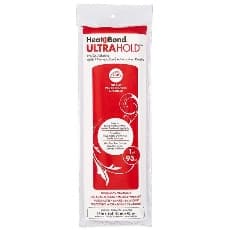
Web heat n bond ultra hold iron-on adhesive 90g, 12 x 18 , high bond strength, flexible, durable
60000 Meters in stock
Interfacing & Fusible
kylsmi
VerifiedUnited States
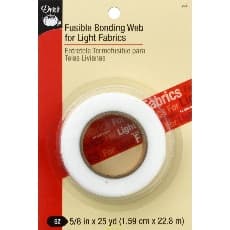
Dritz lightweight fusible interfacing - 100 cotton, 45 wide, 6 pack
80000 Meters in stock
Interfacing & Fusible
kylsmi
VerifiedUnited States
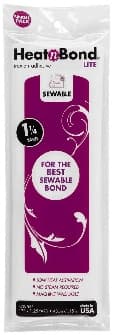
Ond lite iron-on adhesive 60g, 12 x 18 - strong bonding for lightweight fabrics
75000 Meters in stock
Interfacing & Fusible
kylsmi
VerifiedUnited States
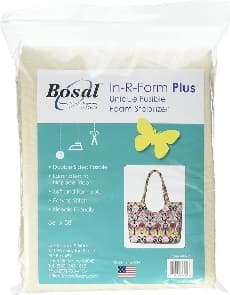
Bosal fusible foam stabilizer - high-quality insulation for your products
60000 Meters in stock
Interfacing & Fusible
kylsmi
VerifiedUnited States
Pellon sf101 shape-flex fusible interfacing 55 x 70yd, 1 8 thick - stretchy, breathable, quilt-ready
45000 Meters in stock
Interfacing & Fusible
kylsmi
VerifiedUnited States
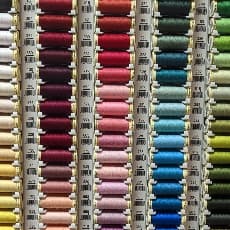
High-quality gutermann sew-all thread 60 yards, 100 cotton, 0.5mm - b2b wholesale
80000 Pieces in stock
Thread & Yarn
edgtho
VerifiedUnited States
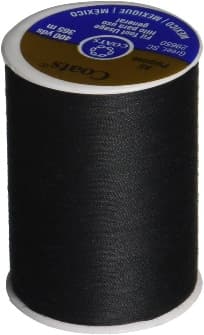
Coats & clark dual duty all-purpose thread - 1000yds, 50wt, 100 cotton, 2-strand, 600-denier, neon orange
35000 Pieces in stock
Thread & Yarn
edgtho
VerifiedUnited States
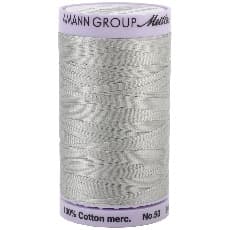
High-quality mettler silk finish cotton thread - 60 cotton, 40 polyester blend - ideal for sewing, quilting, and embro
25000 Pieces in stock
Thread & Yarn
edgtho
VerifiedUnited States

L cotton quilting thread - 50wt, 100yds, colorfast, smooth, 60wpi
45000 Pieces in stock
Thread & Yarn
edgtho
VerifiedUnited States
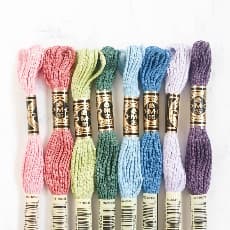
High-quality dmc embroidery floss
45000 Pieces in stock
Thread & Yarn
edgtho
VerifiedUnited States
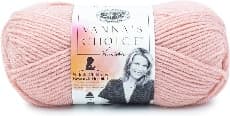
Lion brand yarn vanna s choice - soft, stretchy & versatile
52000 Pieces in stock
Thread & Yarn
edgtho
VerifiedUnited States
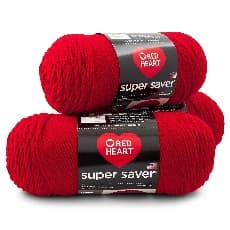
Red heart super saver yarn - 100 acrylic, 520 yards, 10g, 200 threads, soft & washable, ideal for knitting & crochet pr
10000 Pieces in stock
Thread & Yarn
edgtho
VerifiedUnited States
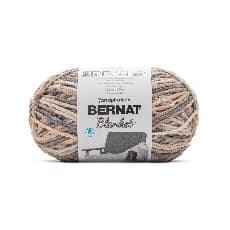
Bernat blanket yarn - soft, cozy, and durable
75000 Pieces in stock
Thread & Yarn
edgtho
VerifiedUnited States
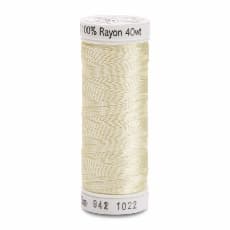
High-quality sulky rayon thread - 500 yards, 20 strong colors
75000 Pieces in stock
Thread & Yarn
edgtho
VerifiedUnited States
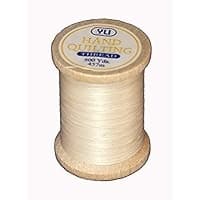
Uality yli quilting thread 60 yards, 50wt, 100 cotton - ideal for quilting, embroidery & appliqué
25000 Pieces in stock
Thread & Yarn
edgtho
VerifiedUnited States
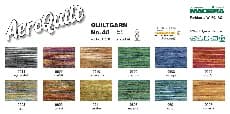
Madeira aeroquilt thread - high-quality, lightweight, and breathable quilting thread
9000 Pieces in stock
Thread & Yarn
edgtho
VerifiedUnited States
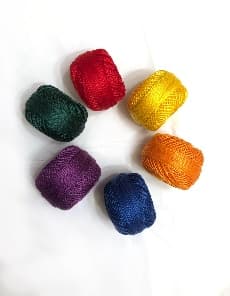
Luxurious presencia finca perle cotton - soft, breathable, and durable
30000 Pieces in stock
Thread & Yarn
edgtho
VerifiedUnited States
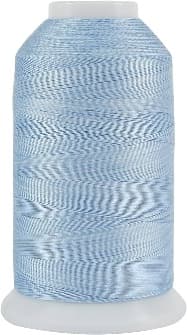
Or threads king tut quilting thread - 100 cotton, 50wt, 1000yds, colorfast, soft & smooth, ideal for quilting, embroide
15000 Pieces in stock
Thread & Yarn
edgtho
VerifiedUnited States
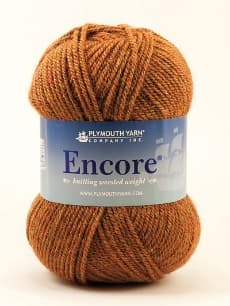
Plymouth yarn encore worsted - 100 acrylic, 50g, 300yds, bulky, soft & warm knitting yarn
15000 Pieces in stock
Thread & Yarn
edgtho
VerifiedUnited States
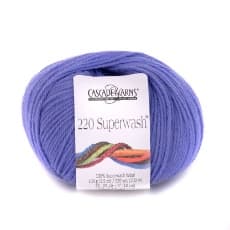
Cascade yarns 220 superwash - soft, versatile, and colorfast
35000 Pieces in stock
Thread & Yarn
edgtho
VerifiedUnited States
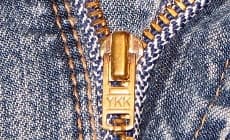
High-quality ykk zippers for wholesale 60# brass, 10 colors
95000 Pieces in stock
Zips & Buttons
edgtho
VerifiedUnited States
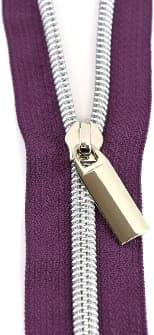
Sallie tomato zippers by annie - durable & adjustable tomato pockets
30000 Pieces in stock
Zips & Buttons
edgtho
VerifiedUnited States
Coats & clark polyester all-purpose zipper - 100 polyester, 10 yards long, 1 4 width, 5-tooth, silver
5000 Pieces in stock
Zips & Buttons
edgtho
VerifiedUnited States

Izable buttonsmith buttons | wholesale b2b | 100 cotton | 10 different colors | 100 satisfaction guarantee | fast ship
30000 Pieces in stock
Zips & Buttons
edgtho
VerifiedUnited States
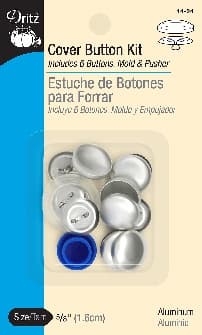
Durable dritz buttons 50pcs - wholesale b2b supplier
25000 Pieces in stock
Zips & Buttons
edgtho
VerifiedUnited States
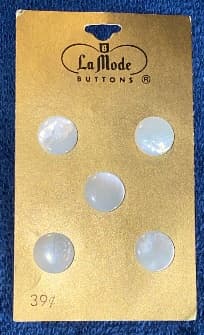
High-quality la mode buttons
80000 Pieces in stock
Zips & Buttons
edgtho
VerifiedUnited States
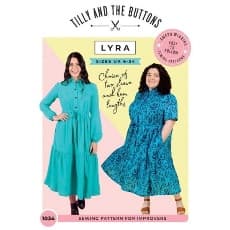
And the buttons - button kits
45000 Pieces in stock
Zips & Buttons
edgtho
VerifiedUnited States
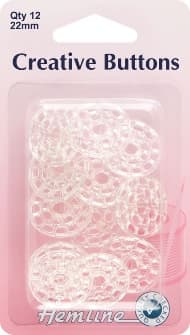
Uality hemline buttons 60pcs - durable & versatile for clothing & accessories
45000 Pieces in stock
Zips & Buttons
edgtho
VerifiedUnited States
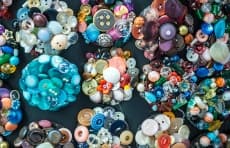
Prym fashion snaps - high-quality aluminum snap fasteners for fashion and apparel 60 sets
1000 Pieces in stock
Zips & Buttons
edgtho
VerifiedUnited States
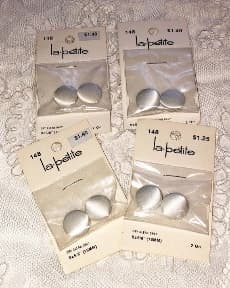
E cover buttons by blumenthal lansing
5000 Pieces in stock
Zips & Buttons
edgtho
VerifiedUnited States
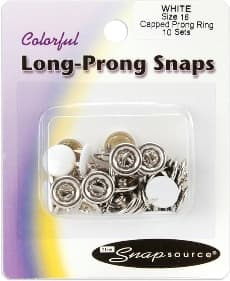
Uality snap source snap fasteners
80000 Pieces in stock
Zips & Buttons
edgtho
VerifiedUnited States
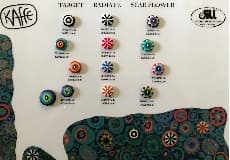
Uality dill buttons
15000 Pieces in stock
Zips & Buttons
edgtho
VerifiedUnited States
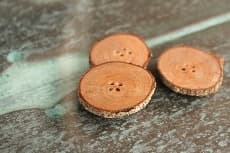
Eco-friendly groves natural wood buttons
40000 Pieces in stock
Zips & Buttons
edgtho
VerifiedUnited States
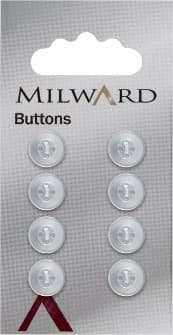
High-quality milward buttons 60pcs - durable & versatile for clothing and accessories
95000 Pieces in stock
Zips & Buttons
edgtho
VerifiedUnited States
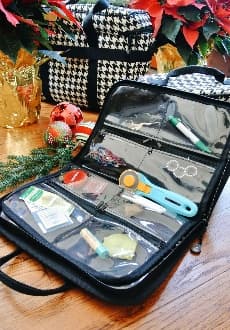
High-quality bluefig zipper pouches set of 6 - durable & versatile for organizing essentials
35000 Pieces in stock
Zips & Buttons
edgtho
VerifiedUnited States
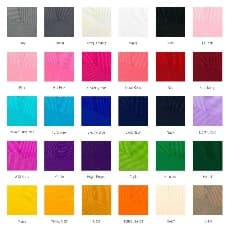
Offray grosgrain ribbon - 100 nylon, 1.5 width, 50 yards long, vibrant colors, perfect for gift wrapping, crafting, an
85000 Pieces in stock
Lace & Ribbons
edgtho
VerifiedUnited States
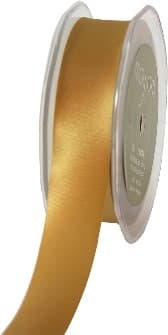
May arts satin ribbon - 100 cotton, 1 4 width, 50 yards long, variety of colors
15000 Pieces in stock
Lace & Ribbons
edgtho
VerifiedUnited States
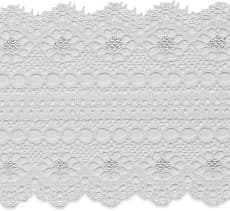
High-quality expo international lace trim
90000 Pieces in stock
Lace & Ribbons
edgtho
VerifiedUnited States
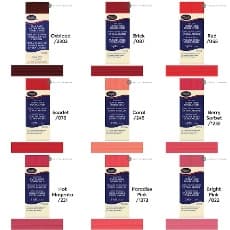
Wrights bias tape 100 yards, 1 inch width - durable and versatile for crafting and home decor
25000 Pieces in stock
Lace & Ribbons
edgtho
VerifiedUnited States

Mokuba ribbon - 100 cotton, satin finish, 1 4 width, 50 yards long, multi-colored 6 pack
80000 Pieces in stock
Lace & Ribbons
edgtho
VerifiedUnited States
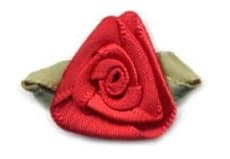
Cheeptrims ribbon roses
30000 Pieces in stock
Lace & Ribbons
edgtho
VerifiedUnited States
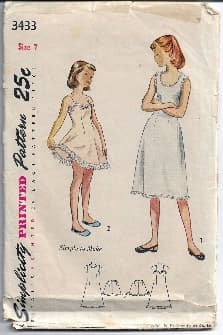
Vintage elegance - simplicity lace trim
80000 Pieces in stock
Lace & Ribbons
edgtho
VerifiedUnited States
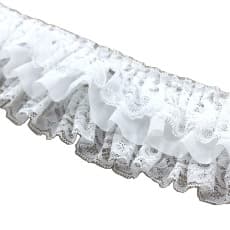
Ruffled lace trim - iridescent lace with delicate ruffles
50000 Pieces in stock
Lace & Ribbons
edgtho
VerifiedUnited States
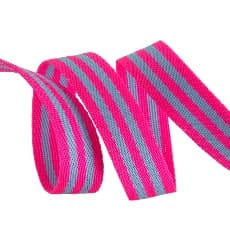
Tula pink ribbons - wholesale quantity 100yds | soft fabric | perfect for crafting, weddings, and gifts
3500 Pieces in stock
Lace & Ribbons
edgtho
VerifiedUnited States
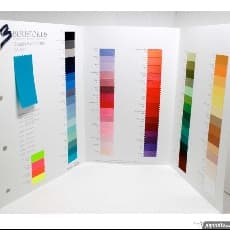
Berisfords satin ribbon - 100 cotton, 1.5 width, 50 yards long, soft and smooth finish, ideal for gift wrapping, bows,
70000 Pieces in stock
Lace & Ribbons
edgtho
VerifiedUnited States
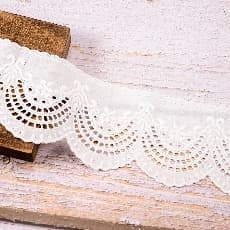
Eyelet lace trim - 100 cotton, 1 4 width, 10 yards long
70000 Pieces in stock
Lace & Ribbons
edgtho
VerifiedUnited States
Lace heaven floral lace - wholesale b2b
85000 Pieces in stock
Lace & Ribbons
edgtho
VerifiedUnited States
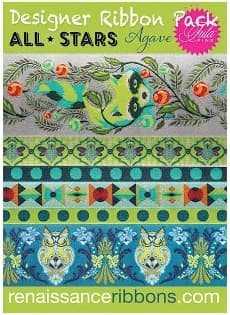
Ite renaissance ribbons - wholesale designer ribbons
45000 Pieces in stock
Lace & Ribbons
edgtho
VerifiedUnited States
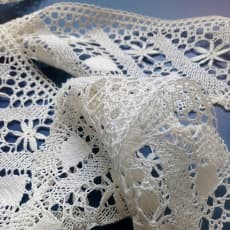
Luxury cluny lace wedding dresses - wholesale only
60000 Pieces in stock
Lace & Ribbons
edgtho
VerifiedUnited States
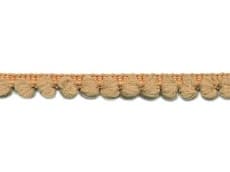
High-quality cheeptrims fringe trim
30000 Pieces in stock
Lace & Ribbons
edgtho
VerifiedUnited States