

Seafood
(49 products from verified suppliers)
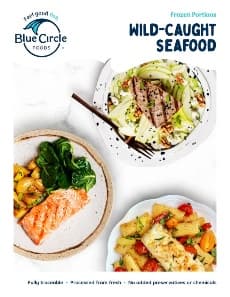
Sustainable seafood boxes blue circle foods
52000 kg in stock
Seafood
bbiijj
VerifiedCanada

Uality cargill aqua nutrition for sustainable seafood feed - 35 protein, 20 fat, 15 vitamins & minerals - supports he
80000 kg in stock
Seafood
bbiijj
VerifiedCanada
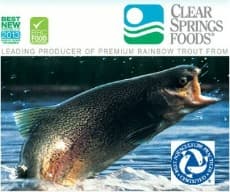
Clear springs foods rainbow trout frozen, 100 natural, 8 oz
45000 kg in stock
Seafood
bbiijj
VerifiedCanada
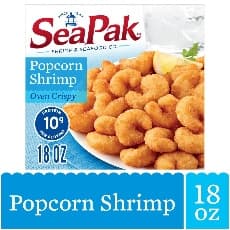
Seapak seafood wholesale - fresh and frozen seafood for resellers
80000 kg in stock
Seafood
bbiijj
VerifiedCanada
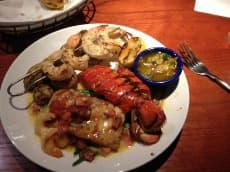
Premium frozen red lobster seafood - fresh catch quality guaranteed
80000 kg in stock
Seafood
bbiijj
VerifiedCanada

Fresh pacific seafood - high-quality shrimp, crab, and fish for wholesale
40000 kg in stock
Seafood
bbiijj
VerifiedCanada
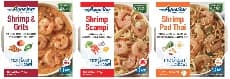
Fresh & frozen aqua star seafood - wholesale b2b
1500 kg in stock
Seafood
bbiijj
VerifiedCanada

Gorton s seafood wholesale - fresh catches delivered
50000 kg in stock
Seafood
bbiijj
VerifiedCanada

High liner foods - premium canned tuna & sardines
1500 kg in stock
Seafood
bbiijj
VerifiedCanada

Fresh frozen alaskan king crab legs - trident seafoods
55000 kg in stock
Seafood
bbiijj
VerifiedCanada
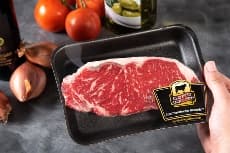
Certified angus beef wholesale - high-quality steaks & ground beef
70000 kg in stock
Beef
bbgghh
VerifiedCanada
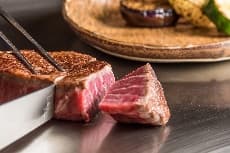
Premium wagyu beef various brands - 90+ marbling, rich flavor, high-quality
4000 kg in stock
Beef
bbgghh
VerifiedCanada
Premium omaha steaks wholesale - 100 angus beef, usda certified 6-pack
52000 kg in stock
Beef
bbgghh
VerifiedCanada
Uality cargill beef wholesale - 90 lean, usda approved
85000 kg in stock
Beef
bbgghh
VerifiedCanada
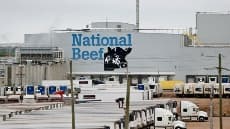
National beef ground beef - 10 lb bulk pack
90000 kg in stock
Beef
bbgghh
VerifiedCanada
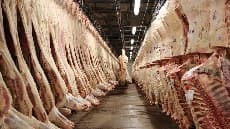
High-quality jbs usa beef - grade a choice 100 angus - 10 lb minimum order - frozen
65000 kg in stock
Beef
bbgghh
VerifiedCanada
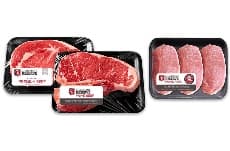
Tyson fresh meats - high-quality beef, pork, and chicken for wholesale
60000 kg in stock
Beef
bbgghh
VerifiedCanada
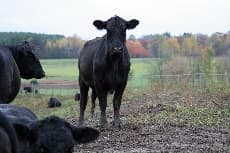
Tone farms premium black angus beef - high-quality, grain-finished beef for restaurants & retailers
10000 kg in stock
Beef
bbgghh
VerifiedCanada
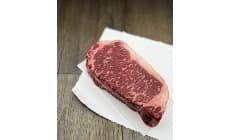
Niman ranch beef - usda prime, hormone-free, grass-fed
9000 kg in stock
Beef
bbgghh
VerifiedCanada
M meyer natural angus beef - grain-fed, hormone-free, usda-certified
55000 kg in stock
Beef
bbgghh
VerifiedCanada
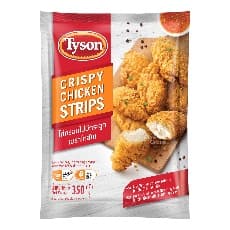
Tyson chicken breast fillets 100 boneless, skinless, frozen
85000 kg in stock
Poultry
bbgghh
VerifiedCanada
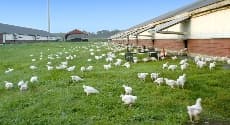
Farms chicken - wholesale quality birds
80000 kg in stock
Poultry
bbgghh
VerifiedCanada
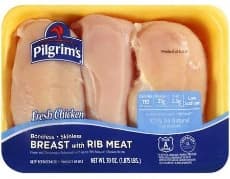
Pilgrim s pride chicken - 100 whole muscle chicken breast, hormone-free, antibiotic-free, 5 lbs
75000 kg in stock
Poultry
bbgghh
VerifiedCanada
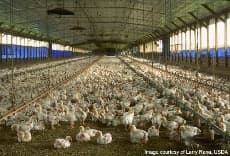
Sanderson farms chicken - wholesale bulk orders
67000 kg in stock
Poultry
bbgghh
VerifiedCanada
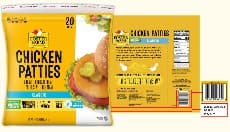
Foster farms chicken - wholesale, high-quality, frozen
70000 kg in stock
Poultry
bbgghh
VerifiedCanada
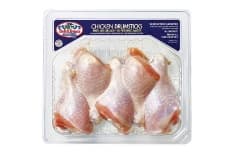
Bell & evans chicken - high-quality, antibiotic-free birds for wholesale
70000 kg in stock
Poultry
bbgghh
VerifiedCanada
Gold n plump chicken - juicy and tender wholesale chicken breasts
90000 kg in stock
Poultry
bbgghh
VerifiedCanada
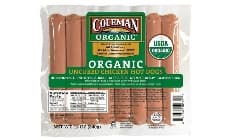
Coleman natural chicken 100 antibiotic-free, hormone-free, and humanely raised
25000 kg in stock
Poultry
bbgghh
VerifiedCanada
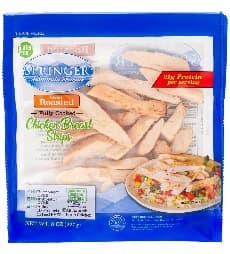
Er mountain farms chicken 100 antibiotic-free, hormone-free, & humanely raised | 10 lbs | 100 whole birds | usda org
60000 kg in stock
Poultry
bbgghh
VerifiedCanada
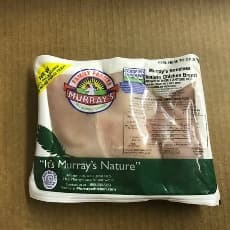
Murray s chicken - fresh, hormone-free, and antibiotic-free chicken breasts
85000 kg in stock
Poultry
bbgghh
VerifiedCanada
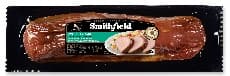
High-quality smithfield pork wholesale - 100 usda-inspected
45000 kg in stock
Pork
bbiijj
VerifiedCanada
Hormel pork wholesale - juicy & tender loin cuts
80000 kg in stock
Pork
bbiijj
VerifiedCanada
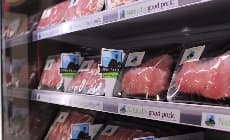
Fresh meats pork - high-quality, grain-finished pork products
55000 kg in stock
Pork
bbiijj
VerifiedCanada
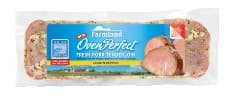
High-quality farmland pork - grain-fed, hormone-free, and tasty!
80000 kg in stock
Pork
bbiijj
VerifiedCanada
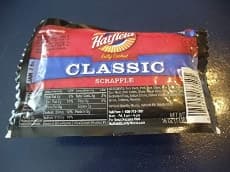
High-quality pork products - hatfield quality meats
95000 kg in stock
Pork
bbiijj
VerifiedCanada
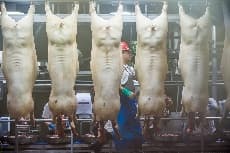
High-quality jbs usa pork wholesale - fresh and frozen
9000 kg in stock
Pork
bbiijj
VerifiedCanada
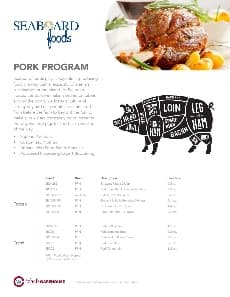
Uality seaboard foods pork for wholesale - 90 lean, usda-approved
80000 kg in stock
Pork
bbiijj
VerifiedCanada
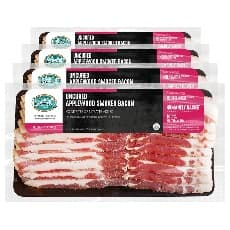
High-quality pasture-raised pork from pederson s natural farms
75000 kg in stock
Pork
bbiijj
VerifiedCanada
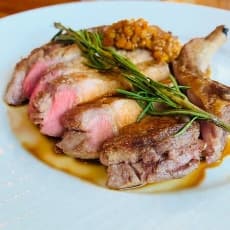
Niman ranch pork - usda-certified, antibiotic-free, pasture-raised
80000 kg in stock
Pork
bbiijj
VerifiedCanada

Beeler s pure pork - 100 natural, hormone-free pork products for wholesale
75000 kg in stock
Pork
bbiijj
VerifiedCanada
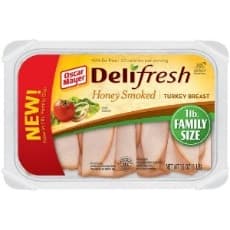
Oscar mayer deli meats - wholesale pack of 24 sliced turkey breast, 12 oz each
50000 kg in stock
Processed Meats
bbiijj
VerifiedCanada
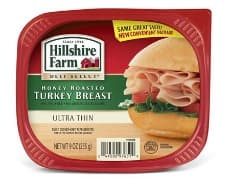
High-quality hillshire farm deli meats
15000 kg in stock
Processed Meats
bbiijj
VerifiedCanada
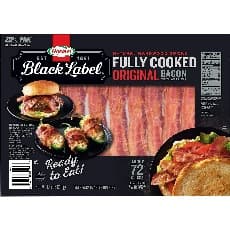
High-quality hormel black label bacon - 100 natural, no nitrates or nitrites added
20000 kg in stock
Processed Meats
bbiijj
VerifiedCanada
High-quality artisanal meats from columbus craft meats
45000 kg in stock
Processed Meats
bbiijj
VerifiedCanada
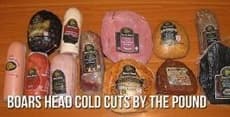
Gourmet boar s head deli meats - wholesale b2b
90000 kg in stock
Processed Meats
bbiijj
VerifiedCanada
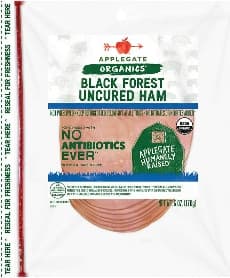
Organic deli meats by applegate farms - high-quality, antibiotic-free, & sustainable
60000 kg in stock
Processed Meats
bbiijj
VerifiedCanada
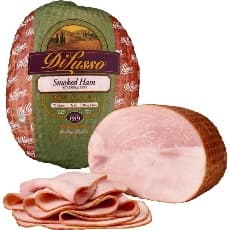
High-quality artisanal deli meats
80000 kg in stock
Processed Meats
bbiijj
VerifiedCanada
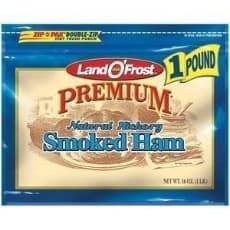
High-quality land o frost deli meats
15000 kg in stock
Processed Meats
bbiijj
VerifiedCanada
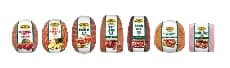
Eckrich premium deli meats - wholesale b2b
75000 kg in stock
Processed Meats
bbiijj
VerifiedCanada