

Weaving Machines
(57 products from verified suppliers)
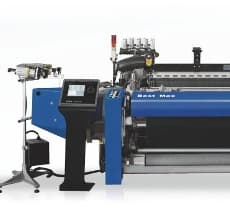
Kingtex weaving machines - high-speed looms for efficient textile production
1000 Piece in stock
Weaving Machines
ffccdd
VerifiedCanada
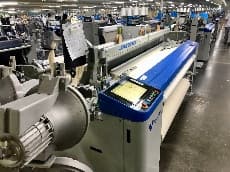
High-quality toyoda weaving machines for efficient textile production
75000 Piece in stock
Weaving Machines
ffccdd
VerifiedCanada
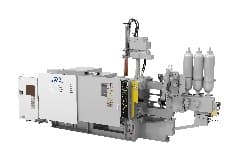
High-quality toyo weaving machines for efficient textile production
20000 Piece in stock
Weaving Machines
ffccdd
VerifiedCanada
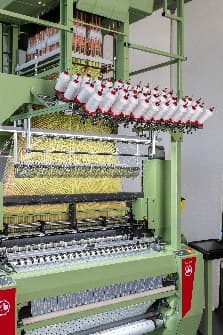
High-quality muller weaving machines for efficient textile production
70000 Piece in stock
Weaving Machines
ffccdd
VerifiedCanada
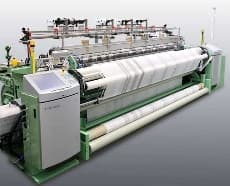
High-quality lindauer dornier weaving machines for efficient textile production
20000 Piece in stock
Weaving Machines
ffccdd
VerifiedCanada
Premier weaving machines - high-quality looms for textile production
55000 Piece in stock
Weaving Machines
ffccdd
VerifiedCanada
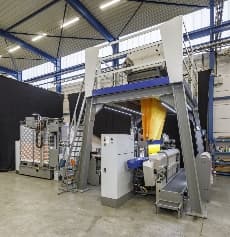
High-quality weaving machines for efficient production
5000 Piece in stock
Weaving Machines
ffccdd
VerifiedCanada
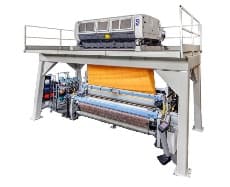
High-quality bonas weaving machines for efficient textile production
45000 Piece in stock
Weaving Machines
ffccdd
VerifiedCanada
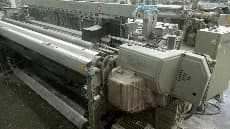
High-quality somet weaving machines for efficient fabric production
3500 Piece in stock
Weaving Machines
ffccdd
VerifiedCanada
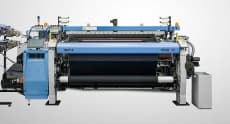
Uality itema weaving machines for efficient textile production
67000 Piece in stock
Weaving Machines
ffccdd
VerifiedCanada
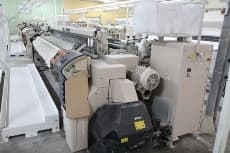
Uality tsudakoma weaving machines for efficient fabric production
60000 Piece in stock
Weaving Machines
ffccdd
VerifiedCanada
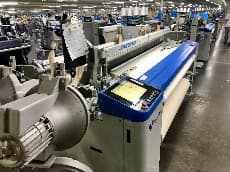
High-quality toyota weaving machines for efficient textile production
75000 Piece in stock
Weaving Machines
ffccdd
VerifiedCanada
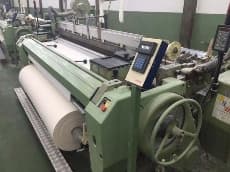
Sulzer weaving machines - high-speed, energy-efficient textile production solutions
1500 Piece in stock
Weaving Machines
ffccdd
VerifiedCanada
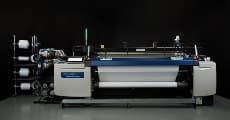
Picanol weaving machines - high-quality looms for efficient textile production
1500 Piece in stock
Weaving Machines
ffccdd
VerifiedCanada
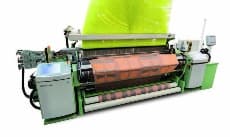
Durable dornier weaving machines for efficient fabric production
25000 Piece in stock
Weaving Machines
ffccdd
VerifiedCanada
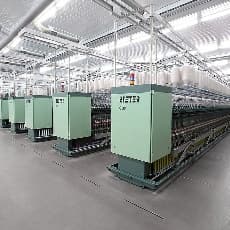
High-quality rieter spinning machines for efficient textile production
75000 Piece in stock
Spinning Machines
ffccdd
VerifiedCanada
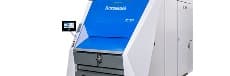
Uality trützschler spinning machines for efficient yarn production
10000 Piece in stock
Spinning Machines
ffccdd
VerifiedCanada
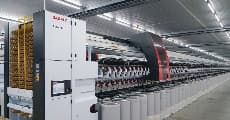
High-quality saurer spinning machines for efficient textile production
85000 Piece in stock
Spinning Machines
ffccdd
VerifiedCanada

Uality murata spinning machines for efficient textile production
80000 Piece in stock
Spinning Machines
ffccdd
VerifiedCanada
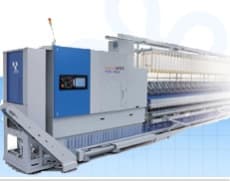
High-quality toyota spinning machines for efficient textile production
3500 Piece in stock
Spinning Machines
ffccdd
VerifiedCanada
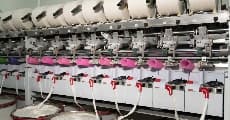
High-quality schlafhorst spinning machines for efficient textile production
20000 Piece in stock
Spinning Machines
ffccdd
VerifiedCanada
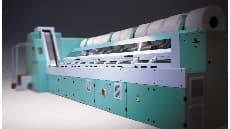
I spinning machines - high-quality, energy-efficient spinning solutions
90000 Piece in stock
Spinning Machines
ffccdd
VerifiedCanada
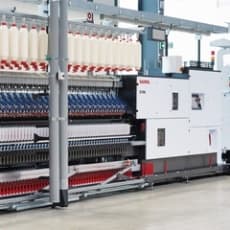
High-quality zinser spinning machines for efficient yarn production
30000 Piece in stock
Spinning Machines
ffccdd
VerifiedCanada
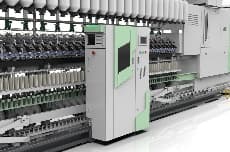
Lakshmi machine works spinning machines - high-quality, durable, and efficient spinning solutions
50000 Piece in stock
Spinning Machines
ffccdd
VerifiedCanada
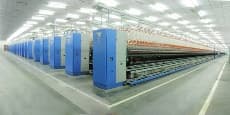
Uality qingdao textile machinery spinning machines
4000 Piece in stock
Spinning Machines
ffccdd
VerifiedCanada
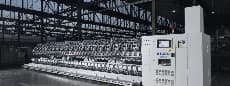
Savio spinning machines - high-speed production solutions
25000 Piece in stock
Spinning Machines
ffccdd
VerifiedCanada
Peed rotorcraft spinning machines for efficient textile production
95000 Piece in stock
Spinning Machines
ffccdd
VerifiedCanada
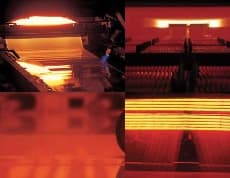
Uality nippon electric glass spinning machines for efficient production
50000 Piece in stock
Spinning Machines
ffccdd
VerifiedCanada
High-quality yuanfang machinery spinning machines for efficient production
5000 Piece in stock
Spinning Machines
ffccdd
VerifiedCanada
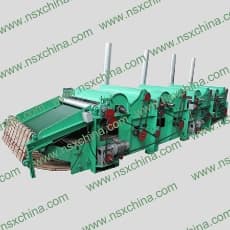
High-quality qingdao new shun xing spinning machines | 8000spm speed | 100 cotton processing | durable | b2b wholesale
20000 Piece in stock
Spinning Machines
ffccdd
VerifiedCanada
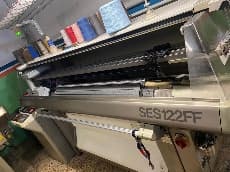
Shima seiki knitting machines - high-speed, high-quality production solutions
85000 Piece in stock
Knitting Machines
ffccdd
VerifiedCanada
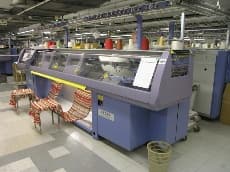
High-quality stoll knitting machines for efficient production
10000 Piece in stock
Knitting Machines
ffccdd
VerifiedCanada
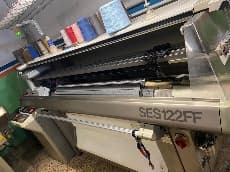
Shima seiki knitting machines - high-speed, high-quality knitting solutions
35000 Piece in stock
Knitting Machines
ffccdd
VerifiedCanada
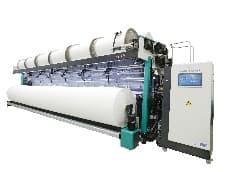
High-quality karl mayer knitting machines for efficient production
65000 Piece in stock
Knitting Machines
ffccdd
VerifiedCanada
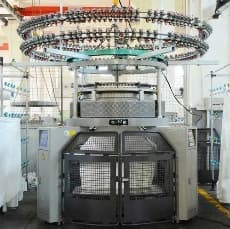
Mayer & cie knitting machines - high-quality, customizable knitting solutions
10000 Piece in stock
Knitting Machines
ffccdd
VerifiedCanada
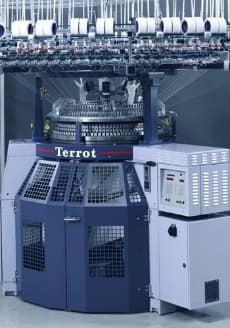
High-quality terrot knitting machines for efficient production
1500 Piece in stock
Knitting Machines
ffccdd
VerifiedCanada
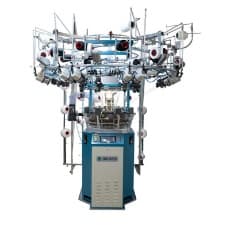
Santoni knitting machines - high-quality, durable, and energy-efficient
45000 Piece in stock
Knitting Machines
ffccdd
VerifiedCanada
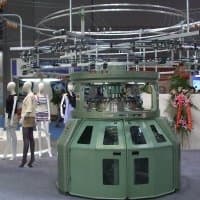
Fukuhara knitting machines - high-speed, durable, and customizable
80000 Piece in stock
Knitting Machines
ffccdd
VerifiedCanada
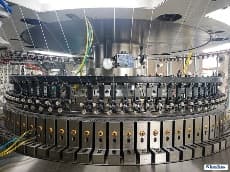
High-quality pailung knitting machines for efficient production
52000 Piece in stock
Knitting Machines
ffccdd
VerifiedCanada
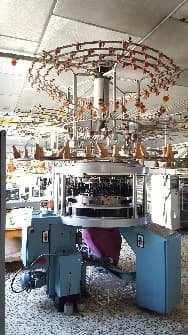
Jumberca knitting machines - high-quality, durable, and efficient knitting solutions
85000 Piece in stock
Knitting Machines
ffccdd
VerifiedCanada
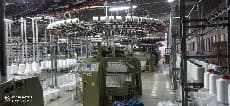
High-quality keumyong knitting machines for efficient production
25000 Piece in stock
Knitting Machines
ffccdd
VerifiedCanada
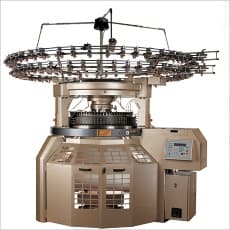
Unitex knitting machines - high-speed production solutions
35000 Piece in stock
Knitting Machines
ffccdd
VerifiedCanada
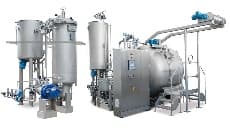
Thies dyeing & finishing machines - high-quality textile processing solutions
9000 Piece in stock
Dyeing & Finishing
ffccdd
VerifiedCanada
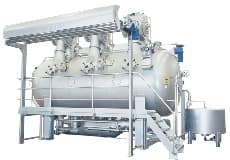
Fong s professional dyeing & finishing machines
10000 Piece in stock
Dyeing & Finishing
ffccdd
VerifiedCanada
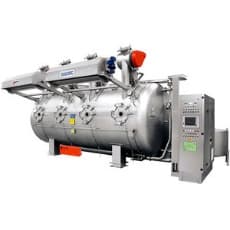
Li dyeing & finishing machines - high-quality, automated solutions for textile industry
30000 Piece in stock
Dyeing & Finishing
ffccdd
VerifiedCanada
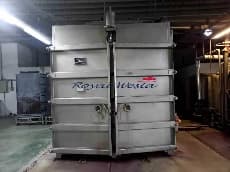
Loris bellini dyeing & finishing machines - high-quality equipment for textile processing
55000 Piece in stock
Dyeing & Finishing
ffccdd
VerifiedCanada
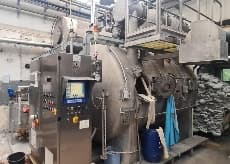
Mcs dyeing & finishing machines - high-quality automated solutions for textile processing
5000 Piece in stock
Dyeing & Finishing
ffccdd
VerifiedCanada
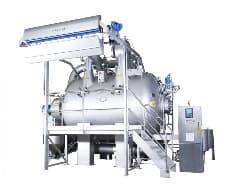
High-quality then dyeing & finishing machines for textile industry
45000 Piece in stock
Dyeing & Finishing
ffccdd
VerifiedCanada
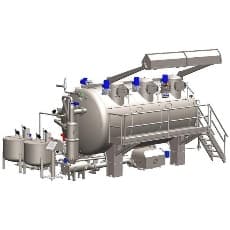
High-quality sclavos dyeing & finishing machines for efficient textile processing
3500 Piece in stock
Dyeing & Finishing
ffccdd
VerifiedCanada
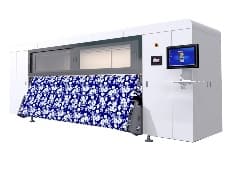
Dyeing & finishing machines - high-quality, automated solutions for textile processing
100000 Piece in stock
Dyeing & Finishing
ffccdd
VerifiedCanada
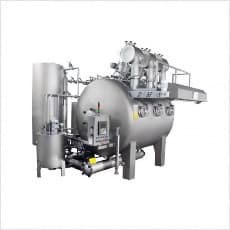
High-quality dms dyeing & finishing machines for efficient textile processing
80000 Piece in stock
Dyeing & Finishing
ffccdd
VerifiedCanada
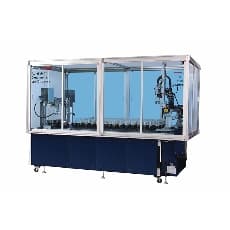
Datacolor dyeing & finishing machines - high-quality, automated solutions for textile industry
35000 Piece in stock
Dyeing & Finishing
ffccdd
VerifiedCanada
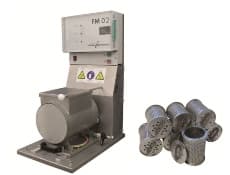
Lenzing dyeing & finishing machines - high-quality textile processing solutions
70000 Piece in stock
Dyeing & Finishing
ffccdd
VerifiedCanada
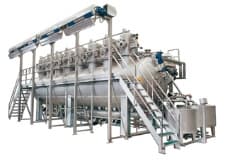
Xennia dyeing & finishing machines - high-quality, automated solutions for textile processing
25000 Piece in stock
Dyeing & Finishing
ffccdd
VerifiedCanada
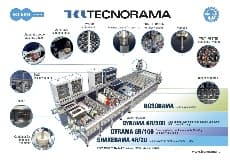
Ama dyeing & finishing machines - high-quality textile processing solutions
60000 Piece in stock
Dyeing & Finishing
ffccdd
VerifiedCanada
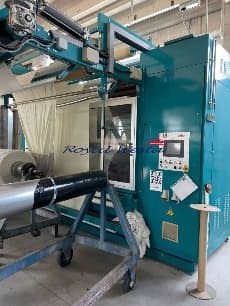
High-quality lafer dyeing & finishing machines for unmatched fabric processing
95000 Piece in stock
Dyeing & Finishing
ffccdd
VerifiedCanada
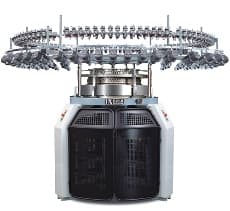
Uality hangxing dyeing & finishing machines for textile industry |
10000 Piece in stock
Dyeing & Finishing
ffccdd
VerifiedCanada