

Glass
(330 products from verified suppliers, page 5 of 5)
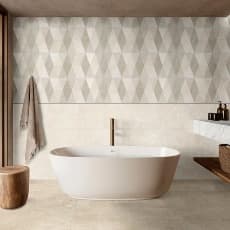
Luxury marazzi tiles in variety of styles 60
75000 Kg in stock
Tiles & Accessories
cczzaa
VerifiedCanada

Crossville 12x12 ceramic floor tiles 60 pieces - wholesale price
1500 Kg in stock
Tiles & Accessories
cczzaa
VerifiedCanada
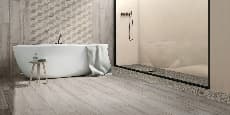
Florida tile - premium quality porcelain tiles for commercial properties
9000 Kg in stock
Tiles & Accessories
cczzaa
VerifiedCanada
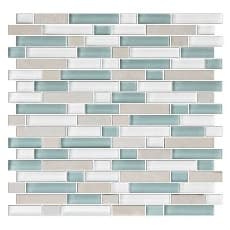
American olean ceramic tile - 6500 sq. ft. wholesale lot
45000 Kg in stock
Tiles & Accessories
cczzaa
VerifiedCanada

Rak ceramics - wholesale porcelain dinnerware set 6 pieces
15000 Kg in stock
Tiles & Accessories
cczzaa
VerifiedCanada

Concorde premium quality tiles - 650 x 650 x 20mm 60 pieces pack
80000 Kg in stock
Tiles & Accessories
cczzaa
VerifiedCanada
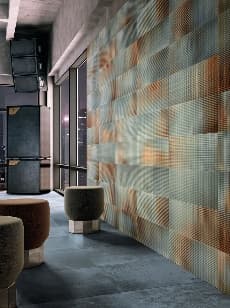
Iris ceramica - italian-made wall tiles with unique design
1000 Kg in stock
Tiles & Accessories
cczzaa
VerifiedCanada

Ragno 100 cotton towels 6-pack | soft, absorbent, and durable | wholesale b2b
1500 Kg in stock
Tiles & Accessories
cczzaa
VerifiedCanada
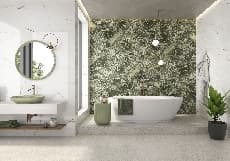
Pamesa cerámica - high-quality ceramic tiles for commercial projects
65000 Kg in stock
Tiles & Accessories
cczzaa
VerifiedCanada

Kajaria ceramics - high-quality wall tiles for commercial spaces
55000 Kg in stock
Tiles & Accessories
cczzaa
VerifiedCanada

Porcelanosa - high-quality ceramic tiles for commercial projects
85000 Kg in stock
Tiles & Accessories
cczzaa
VerifiedCanada
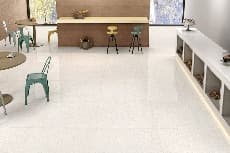
Uality nitco tiles for commercial and residential projects |
45000 Kg in stock
Tiles & Accessories
cczzaa
VerifiedCanada

Brewster home fashions - luxury linens at wholesale prices
90000 rolls in stock
Wallpapers & Wall Coatings
ddeeff
VerifiedCanada

& brown luxury vinyl tiles - durable & versatile b2b wholesale
3500 rolls in stock
Wallpapers & Wall Coatings
ddeeff
VerifiedCanada
York wallcoverings - high-quality wallpaper for commercial spaces
25000 rolls in stock
Wallpapers & Wall Coatings
ddeeff
VerifiedCanada

& ball - high-quality paint for professional results
50000 rolls in stock
Wallpapers & Wall Coatings
ddeeff
VerifiedCanada
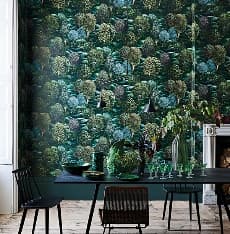
Luxurious cole & son wallpaper - stunning floral designs
9000 rolls in stock
Wallpapers & Wall Coatings
ddeeff
VerifiedCanada

Son premium quality cotton bed sheets 600 thread count, soft and breathable, deep pockets, stain resistant
70000 rolls in stock
Wallpapers & Wall Coatings
ddeeff
VerifiedCanada
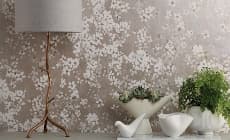
Luxury romo wallcoverings - elegant designs for your home
30000 rolls in stock
Wallpapers & Wall Coatings
ddeeff
VerifiedCanada
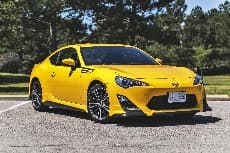
Scion xb wholesale - durable & spacious compact car
67000 rolls in stock
Wallpapers & Wall Coatings
ddeeff
VerifiedCanada

Ous versace home decor - wholesale price!
35000 rolls in stock
Wallpapers & Wall Coatings
ddeeff
VerifiedCanada
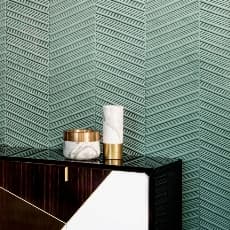
Luxury arte wallcoverings | high-quality, versatile designs | wholesale
75000 rolls in stock
Wallpapers & Wall Coatings
ddeeff
VerifiedCanada
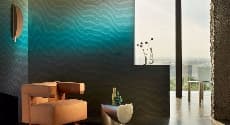
Premium quality artificial turf - durable & low maintenance
70000 rolls in stock
Wallpapers & Wall Coatings
ddeeff
VerifiedCanada

T 100 cotton linen table runner - elegant stripe pattern - wholesale b2b
85000 rolls in stock
Wallpapers & Wall Coatings
ddeeff
VerifiedCanada

Luxury zoffany rug collection - handmade moroccan treasures
1500 rolls in stock
Wallpapers & Wall Coatings
ddeeff
VerifiedCanada

Ous osborne & little wallpaper | 52077 | bold floral design | wholesale
55000 rolls in stock
Wallpapers & Wall Coatings
ddeeff
VerifiedCanada
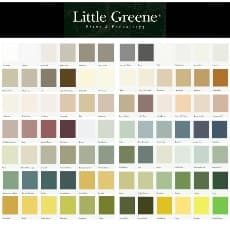
Little greene - premium quality artisan handmade tiles
70000 rolls in stock
Wallpapers & Wall Coatings
ddeeff
VerifiedCanada
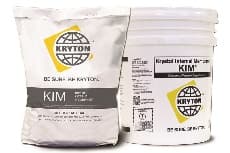
International inc. - high-quality waterproofing solutions for construction industry
4000 liters in stock
Waterproofing Materials
ddeeff
VerifiedCanada
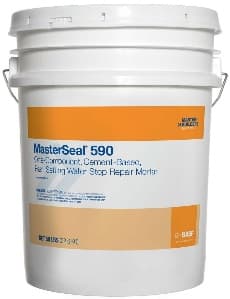
Basf masterseal 5000 - high performance waterproofing membrane
45000 liters in stock
Waterproofing Materials
ddeeff
VerifiedCanada
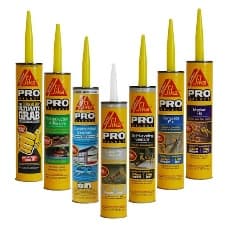
Uality sika adhesives for durable bonding
60000 liters in stock
Waterproofing Materials
ddeeff
VerifiedCanada
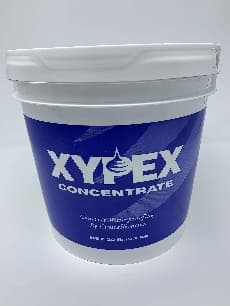
Xypex waterproofing coating - 60ml
70000 liters in stock
Waterproofing Materials
ddeeff
VerifiedCanada
High-quality stainless steel cookware from henry company
40000 liters in stock
Waterproofing Materials
ddeeff
VerifiedCanada
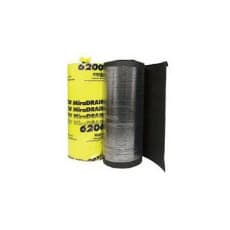
Le coatings & waterproofing - high-quality protective solutions
60000 liters in stock
Waterproofing Materials
ddeeff
VerifiedCanada

Gcp applied technologies - high-performance waterproofing membranes for construction projects
60000 liters in stock
Waterproofing Materials
ddeeff
VerifiedCanada

Grace high-quality fiberglass reinforced pipe for durable water transportation
35000 liters in stock
Waterproofing Materials
ddeeff
VerifiedCanada
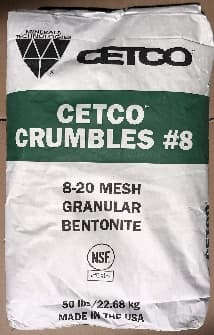
High-quality geotextiles for soil stabilization and drainage - wholesale b2b
90000 liters in stock
Waterproofing Materials
ddeeff
VerifiedCanada
Dryvit systems - durable exterior wall finishes for commercial buildings
95000 liters in stock
Waterproofing Materials
ddeeff
VerifiedCanada
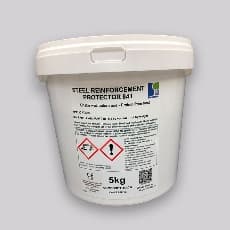
Flexcrete high-performance concrete mix 65l
55000 liters in stock
Waterproofing Materials
ddeeff
VerifiedCanada
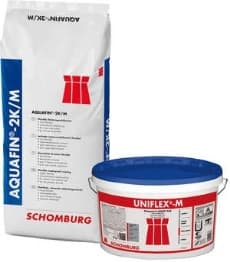
N wholesale aquatic products |
45000 liters in stock
Waterproofing Materials
ddeeff
VerifiedCanada

Mapei professional adhesives for commercial and residential applications
75000 liters in stock
Waterproofing Materials
ddeeff
VerifiedCanada
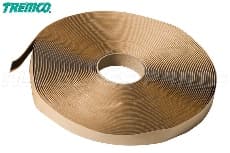
Tremco 3m 8000 vacuum insulation panels
55000 liters in stock
Waterproofing Materials
ddeeff
VerifiedCanada
Hycrete 5000 - high-strength epoxy resin for construction and industrial applications
50000 liters in stock
Waterproofing Materials
ddeeff
VerifiedCanada