

Oscilloscopes
(60 products from verified suppliers)
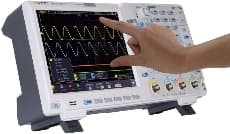
Ds3064e digital oscilloscope - 60mhz, 2ch, mso, 7 touchscreen, usb ethernet
4000 Pieces in stock
Oscilloscopes
fremed
VerifiedUnited States

190-204 s scopemeter oscilloscope - 300 mhz, 7 color display, 10 msa s, auto set
25000 Pieces in stock
Oscilloscopes
fremed
VerifiedUnited States
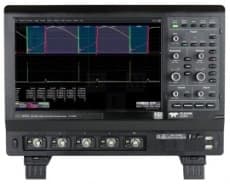
Erformance hdo4000 oscilloscope for accurate signal analysis | teledyne lecroy
60000 Pieces in stock
Oscilloscopes
fremed
VerifiedUnited States
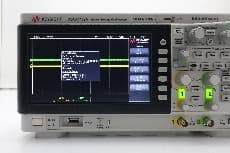
High-speed oscilloscope with 12 bit resolution & 2 gs s bandwidth - dsox1102a
1500 Pieces in stock
Oscilloscopes
fremed
VerifiedUnited States
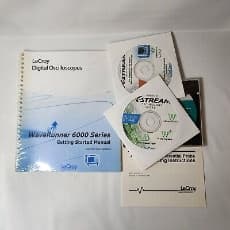
Lecroy waverunner 6000 digital oscilloscope - 100mhz bandwidth, 10msa s sample rate, 7 color display
20000 Pieces in stock
Oscilloscopes
fremed
VerifiedUnited States
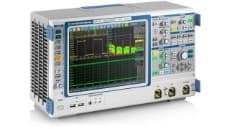
R&s rte1000 digital oscilloscope - high-performance measurement tool for engineers
70000 Pieces in stock
Oscilloscopes
fremed
VerifiedUnited States
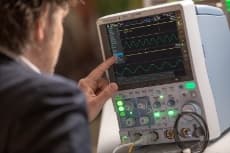
Wa dlm3000 mixed signal oscilloscope - high-speed measurement solutions for complex signals
65000 Pieces in stock
Oscilloscopes
fremed
VerifiedUnited States
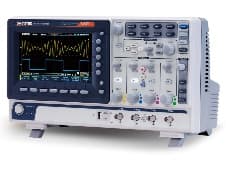
Erformance gw instek gds-1054b digital storage oscilloscope 100 mhz, 14 bit, 100 msa s, 256 mpts
70000 Pieces in stock
Oscilloscopes
fremed
VerifiedUnited States
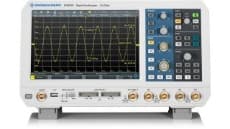
Rohde & schwarz rtb2000 digital oscilloscope - high-speed measurement solution for engineers
20000 Pieces in stock
Oscilloscopes
fremed
VerifiedUnited States
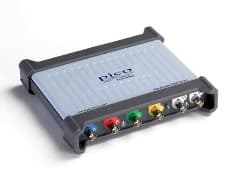
Peed triggering & analysis with picoscope 5000 series oscilloscope
5000 Pieces in stock
Oscilloscopes
fremed
VerifiedUnited States
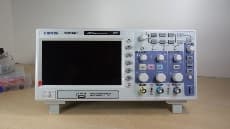
Hantek dso5102p digital storage oscilloscope - 100 mhz, 2 channels, 100 mpts, usb & ethernet connectivity
35000 Pieces in stock
Oscilloscopes
fremed
VerifiedUnited States
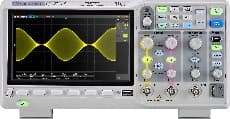
T sds1202x-e digital oscilloscope - 2ch 120mhz, 1gsa s, 7 touch display, usb, bnc, 10mpts
55000 Pieces in stock
Oscilloscopes
fremed
VerifiedUnited States
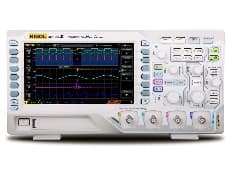
High-performance rigol ds1054z digital oscilloscope - 100mhz, 2ch, mso, 7 touchscreen
25000 Pieces in stock
Oscilloscopes
fremed
VerifiedUnited States
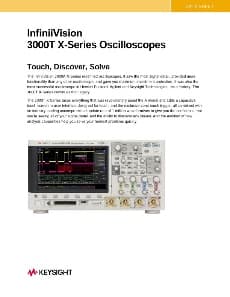
Peed triggering & analysis with keysight infiniivision 3000t x-series oscilloscope
35000 Pieces in stock
Oscilloscopes
fremed
VerifiedUnited States
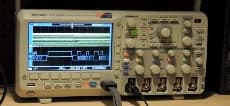
Tektronix mso2000b mixed signal oscilloscope - high-speed measurement & analysis for electronics industry
30000 Pieces in stock
Oscilloscopes
fremed
VerifiedUnited States
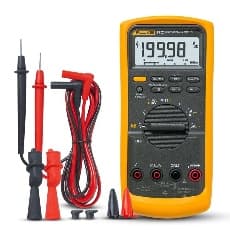
Fluke 87v industrial multimeter - 6000v cat iv, 10a, 0.001 accuracy
60000 Pieces in stock
Multimeters
fremed
VerifiedUnited States
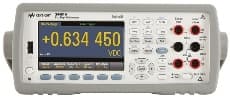
Ccuracy digital multimeter - keysight technologies 34461a 60 character
55000 Pieces in stock
Multimeters
fremed
VerifiedUnited States
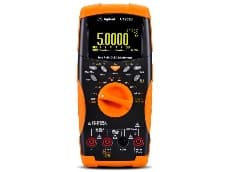
Agilent u1253b oled multimeter - high-accuracy measurements for demanding applications 60hz, 10mv
75000 Pieces in stock
Multimeters
fremed
VerifiedUnited States
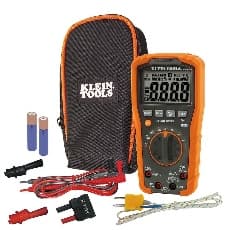
Klein tools mm600 digital multimeter - accurate measurements for electricians 6000 counts
20000 Pieces in stock
Multimeters
fremed
VerifiedUnited States
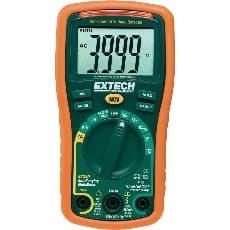
Extech ex330 autoranging mini multimeter - 3-in-1 measurement tool for voltage, current, and temperature
9000 Pieces in stock
Multimeters
fremed
VerifiedUnited States
Amprobe am-510 commercial residential multimeter - accurate voltage, current, and resistance measurements 60hz
10000 Pieces in stock
Multimeters
fremed
VerifiedUnited States
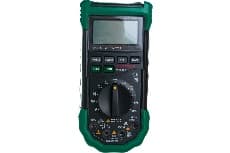
Mastech ms8268 digital multimeter - 6,000 count lcd display, auto-ranging, non-contact voltage detector
25000 Pieces in stock
Multimeters
fremed
VerifiedUnited States
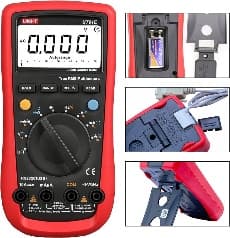
Ut61e true rms multimeter - 6000 counts, 10a ac dc current, 10v voltage, 0.05 accuracy
35000 Pieces in stock
Multimeters
fremed
VerifiedUnited States
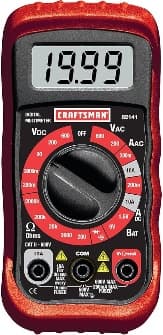
Man 82141 digital multimeter - accurate voltage, current, & resistance measurements
100000 Pieces in stock
Multimeters
fremed
VerifiedUnited States
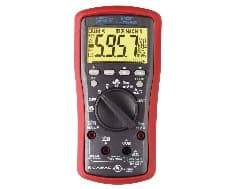
Brymen bm257 compact multimeter - 3-in-1 measurement tool for accurate voltage, current, and temperature readings
60000 Pieces in stock
Multimeters
fremed
VerifiedUnited States
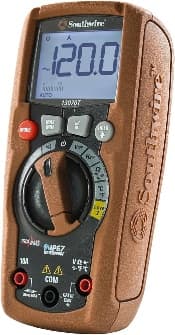
Ire 13070t residentialpro digital multimeter - accurate voltage, current, and resistance measurements for electricians
1000 Pieces in stock
Multimeters
fremed
VerifiedUnited States
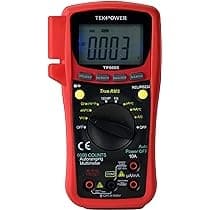
Tekpower tp9605bt wireless multimeter - 600ft range, 4-digit display, non-contact voltage detector
60000 Pieces in stock
Multimeters
fremed
VerifiedUnited States
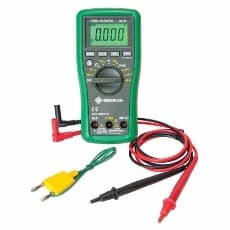
Greenlee dm-45 cat iii digital multimeter - 3.5 digit display, 1000v cat iii rating, 10a measurement capacity, ideal for
35000 Pieces in stock
Multimeters
fremed
VerifiedUnited States
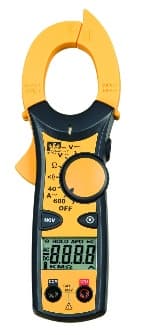
Industries 61-797 clamp-pro clamp meter - high-accuracy multimeter for electrical testing
35000 Pieces in stock
Multimeters
fremed
VerifiedUnited States
Kee 2216-20 auto voltage continuity tester - fast & accurate testing for electricians
75000 Pieces in stock
Multimeters
fremed
VerifiedUnited States
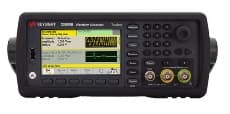
High-performance 33500b series waveform generators | 100mhz to 300ghz range | 16-bit resolution | mso, vector, and funct
1500 Pieces in stock
Signal Generators
fremed
VerifiedUnited States
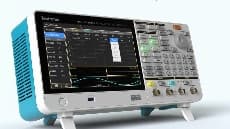
Tektronix afg31000 arbitrary function generator - 30 mhz, 2 gsa s, 16 digital inputs
40000 Pieces in stock
Signal Generators
fremed
VerifiedUnited States
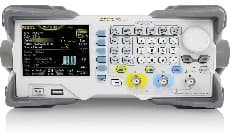
Rigol dg1022z function generator - 20 mhz to 200 mhz range, 12 bit resolution, usb lan connectivity
70000 Pieces in stock
Signal Generators
fremed
VerifiedUnited States
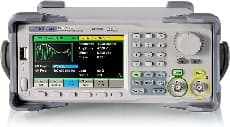
T sdg2042x function generator - 4 channel, 20 mhz, 12 bit dac, 1ms s, usb lan connectivity
30000 Pieces in stock
Signal Generators
fremed
VerifiedUnited States
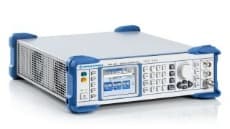
& schwarz smb100a rf microwave signal gen for testing & measurement
45000 Pieces in stock
Signal Generators
fremed
VerifiedUnited States
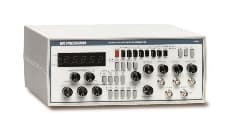
B&k precision 4040dds function generator - 40 mhz, 16 digital input output channels, 10 mhz maximum frequency output spe
50000 Pieces in stock
Signal Generators
fremed
VerifiedUnited States
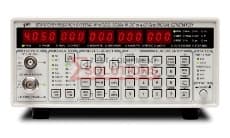
Rd research systems srs sg384 rf signal generator - 384 mhz, 100 khz to 200 mhz range, 10 dbm output power
80000 Pieces in stock
Signal Generators
fremed
VerifiedUnited States
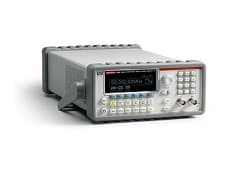
High-speed waveform generation with keithley 3390 arbitrary waveform generator
40000 Pieces in stock
Signal Generators
fremed
VerifiedUnited States
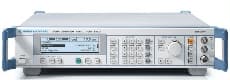
Ex ifr 2024 rf signal generator - 20 khz to 40 ghz range, 10 dbm output power, 0.1 hz to 200 khz frequency stepping desc
25000 Pieces in stock
Signal Generators
fremed
VerifiedUnited States
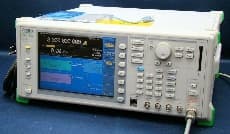
Anritsu mg3700a vector signal generator - 3-state output, 100 mhz - 3.8 ghz range, 120 db dynamic range
45000 Pieces in stock
Signal Generators
fremed
VerifiedUnited States
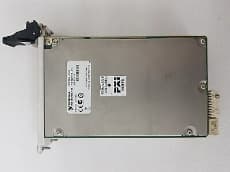
High-performance rf signal gen for pxie systems - ni pxie-5653
45000 Pieces in stock
Signal Generators
fremed
VerifiedUnited States
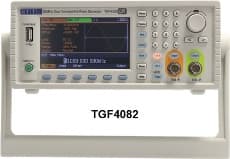
I tg2511a function generator - 25 mhz, 11 channel, 10vp-p output, 1ms s - b2b wholesale
1000 Pieces in stock
Signal Generators
fremed
VerifiedUnited States
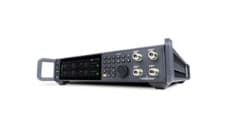
Erformance rf signal gen for advanced testing - keysight n5183b mxg x-series
95000 Pieces in stock
Signal Generators
fremed
VerifiedUnited States
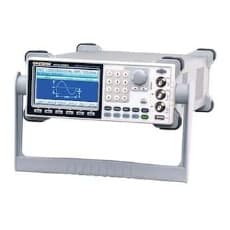
Tek afg-3000 arbitrary function generator - 30 mhz, 20vpp, 100mhz bandwidth, mso dpo compatible
20000 Pieces in stock
Signal Generators
fremed
VerifiedUnited States
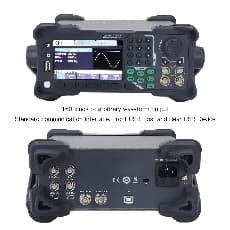
High-speed waveform gen for advanced testing - teledyne lecroy wavestation 3000
9000 Pieces in stock
Signal Generators
fremed
VerifiedUnited States
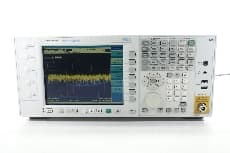
Ht technologies n9020a mxa x-series signal analyzer - high-speed oscilloscope for accurate signal analysis
52000 Pieces in stock
Spectrum Analyzers
johwoo
VerifiedUnited States
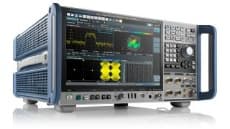
Rohde & schwarz fsw signal and spectrum analyzer - high-speed analysis for demanding applications
30000 Pieces in stock
Spectrum Analyzers
johwoo
VerifiedUnited States
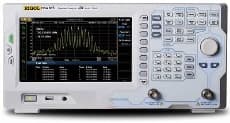
Rigol dsa815-tg spectrum analyzer - 100mhz to 2.5ghz range, 12bit resolution, mso functionality
5000 Pieces in stock
Spectrum Analyzers
johwoo
VerifiedUnited States
U ms272xc spectrum master handheld spectrum analyzer -
55000 Pieces in stock
Spectrum Analyzers
johwoo
VerifiedUnited States
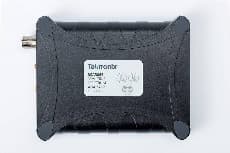
Tektronix rsa306b usb spectrum analyzer - high-resolution signal analysis with 10 mhz to 300 mhz range
70000 Pieces in stock
Spectrum Analyzers
johwoo
VerifiedUnited States
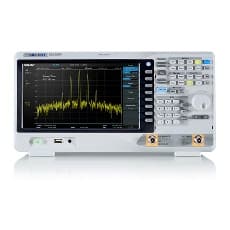
Siglent ssa3021x-tg spectrum analyzer - high-performance usb oscilloscope for troubleshooting & signal analysis
35000 Pieces in stock
Spectrum Analyzers
johwoo
VerifiedUnited States
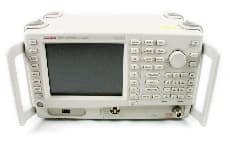
High-performance spectrum analysis with advantest u3751 wide bandwidth analyzer
50000 Pieces in stock
Spectrum Analyzers
johwoo
VerifiedUnited States
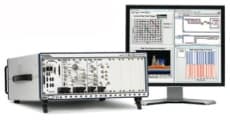
High-speed vector signal analyzer for pxie systems - 5668r
85000 Pieces in stock
Spectrum Analyzers
johwoo
VerifiedUnited States
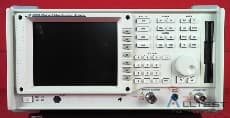
High-performance spectrum analyzer for aerospace and defense applications | aeroflex ifr 2399b
25000 Pieces in stock
Spectrum Analyzers
johwoo
VerifiedUnited States
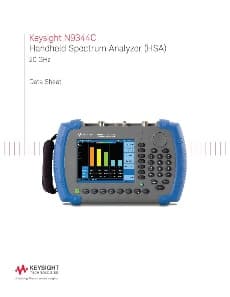
T n9344c handheld spectrum analyzer - high-speed measurements with 12 bit adc
30000 Pieces in stock
Spectrum Analyzers
johwoo
VerifiedUnited States
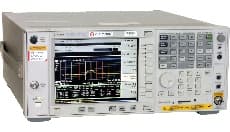
Erformance keysight e4440a psa spectrum analyzer - 100 mhz to 40 ghz range, 14 bit resolution, and 2 msa s sample rate s
25000 Pieces in stock
Spectrum Analyzers
johwoo
VerifiedUnited States
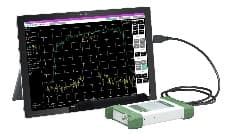
U ms2760a spectrum master - ultra-portable spectrum analyzer 100 mhz - 40 ghz
52000 Pieces in stock
Spectrum Analyzers
johwoo
VerifiedUnited States
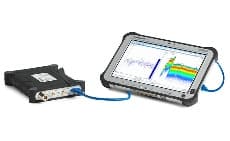
Tektronix rsa507a usb real-time spectrum analyzer - 100mhz bandwidth, 7 color display, mil-std-704 compliant
95000 Pieces in stock
Spectrum Analyzers
johwoo
VerifiedUnited States
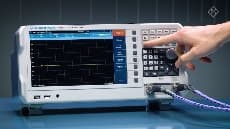
R&s fpc1500 spectrum analyzer - high-speed analysis with 1500 mhz bandwidth
20000 Pieces in stock
Spectrum Analyzers
johwoo
VerifiedUnited States
Ne lecroy hro 6000 high-resolution oscilloscope - 100mhz bandwidth, 10gsa s sample rate, 12bit adc - b2b wholesale descr
20000 Pieces in stock
Spectrum Analyzers
johwoo
VerifiedUnited States