

Soundproofing Materials
(330 products from verified suppliers, page 3 of 5)
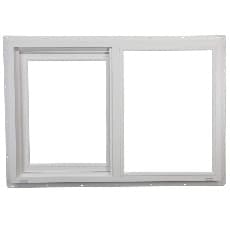
M windows wholesale - durable aluminum frames with energy-efficient glass
67000 units in stock
Doors & Windows
ccttuu
VerifiedCanada

Kolbe windows & doors - high-quality, energy-efficient options for your business
1500 units in stock
Doors & Windows
ccttuu
VerifiedCanada
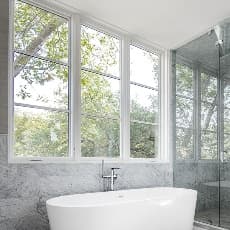
Lincoln windows - high-quality, energy-efficient windows for your business
30000 units in stock
Doors & Windows
ccttuu
VerifiedCanada

E weather shield windows & doors for wholesale - energy efficient & secure
30000 units in stock
Doors & Windows
ccttuu
VerifiedCanada

Uality sierra pacific windows for residential and commercial use -
95000 units in stock
Doors & Windows
ccttuu
VerifiedCanada

Uality sierra pacific windows for residential and commercial use
70000 units in stock
Doors & Windows
ccttuu
VerifiedCanada
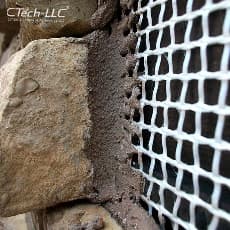
High-quality alkali resistant fiberglass mesh for industrial applications
65000 square meters in stock
Fiberglass Wall Meshes
ccttuu
VerifiedCanada
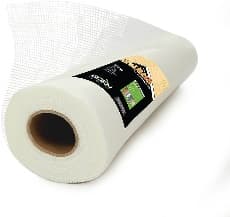
High-quality eifs fiberglass mesh for exterior cladding 60x60 mesh, 100 virgin fiberglass, uv stabilized
35000 square meters in stock
Fiberglass Wall Meshes
ccttuu
VerifiedCanada
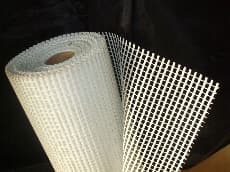
Uality stucco fiberglass mesh for durable finishes -
85000 square meters in stock
Fiberglass Wall Meshes
ccttuu
VerifiedCanada
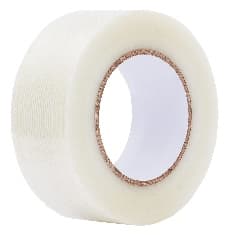
High-quality drywall fiberglass mesh tape 60 yards x 1 4 inch x 36 inches | strong adhesion & durability | b2b wholesa
4000 square meters in stock
Fiberglass Wall Meshes
ccttuu
VerifiedCanada
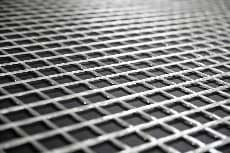
High-strength reinforcing fiberglass mesh 650g m2, 100 e-glass
40000 square meters in stock
Fiberglass Wall Meshes
ccttuu
VerifiedCanada
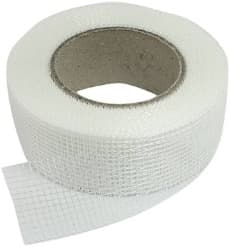
High-strength self-adhesive fiberglass mesh for durable applications 60g m2, 100 e-modulus, 200g m2 tensile strength
55000 square meters in stock
Fiberglass Wall Meshes
ccttuu
VerifiedCanada
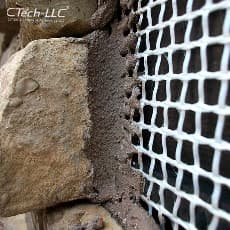
High-quality alkali resistant fiberglass mesh 650g m2, 100 e-mod, 200mm x 25mm
9000 square meters in stock
Fiberglass Wall Meshes
ccttuu
VerifiedCanada
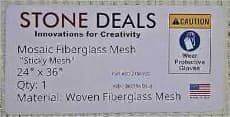
High-quality mosaic fiberglass mesh for durable applications
45000 square meters in stock
Fiberglass Wall Meshes
ccttuu
VerifiedCanada
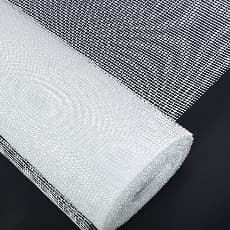
High-strength plasterboard fiberglass mesh 600g m2, 12mm holes
100000 square meters in stock
Fiberglass Wall Meshes
ccttuu
VerifiedCanada
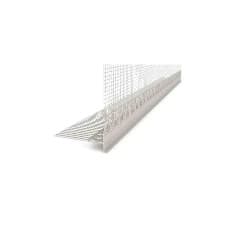
Bead fiberglass mesh 1000ft roll | durable, water-resistant sealant | 1 8 x 100yd
45000 square meters in stock
Fiberglass Wall Meshes
ccttuu
VerifiedCanada
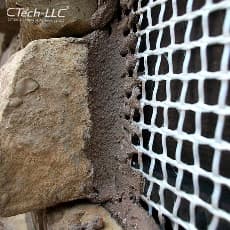
Uality alkaline resistant mesh fabric 600gsm, 100 polyester, breathable, durable
80000 square meters in stock
Fiberglass Wall Meshes
ccttuu
VerifiedCanada
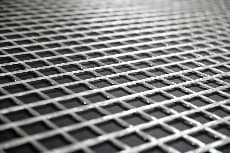
High-strength fiberglass reinforced mesh for durable applications
1000 square meters in stock
Fiberglass Wall Meshes
ccttuu
VerifiedCanada
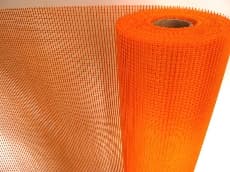
High-quality building wall fiberglass mesh 650g m2, 100 eco-friendly, uv resistant
50000 square meters in stock
Fiberglass Wall Meshes
ccttuu
VerifiedCanada
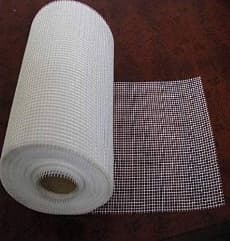
High-quality plastering mesh cloth 100 polyester, 100g m², 100mm x 50m
95000 square meters in stock
Fiberglass Wall Meshes
ccttuu
VerifiedCanada
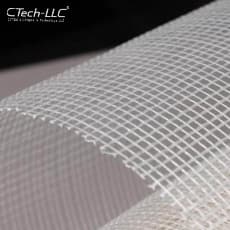
Coated alkaline resistant fiberglass mesh 650gsm - durable & waterproof
60000 square meters in stock
Fiberglass Wall Meshes
ccttuu
VerifiedCanada

Shaw floors luxury vinyl tiles lvt - 6mm thickness, 12mm joint compound, 20 year warranty
60000 square meters in stock
Flooring
ccvvww
VerifiedCanada
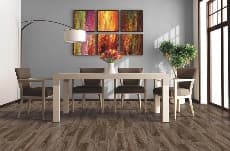
Mohawk flooring - high-quality luxury vinyl tiles lvt
75000 square meters in stock
Flooring
ccvvww
VerifiedCanada
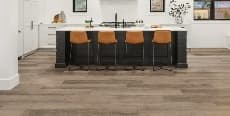
Armstrong flooring - high-quality resilient vinyl tiles
75000 square meters in stock
Flooring
ccvvww
VerifiedCanada
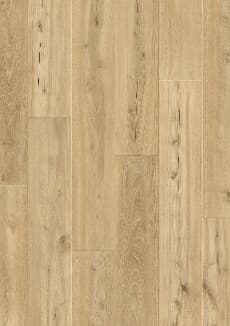
Pergo 3 4 oak hardwood flooring - 500 sqft - unfinished - b2b wholesale
1000 square meters in stock
Flooring
ccvvww
VerifiedCanada

Karndean designflooring - luxury vinyl tiles for commercial spaces
80000 square meters in stock
Flooring
ccvvww
VerifiedCanada
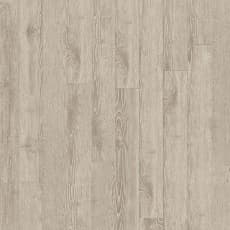
Tarkett luxury vinyl tiles lvt - 6500 sqft bulk pack
20000 square meters in stock
Flooring
ccvvww
VerifiedCanada

Mannington mills luxury vinyl tiles lvt -
50000 square meters in stock
Flooring
ccvvww
VerifiedCanada
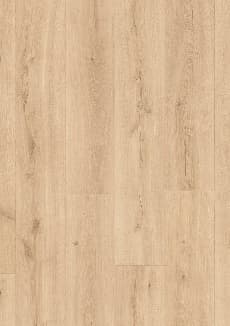
Quick-step anti-fatigue mat - durable & comfortable workplace solution
10000 square meters in stock
Flooring
ccvvww
VerifiedCanada
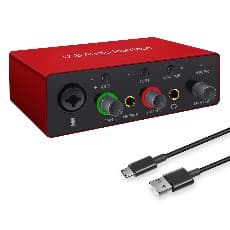
High-quality led display interface for advertising displays
60000 square meters in stock
Flooring
ccvvww
VerifiedCanada
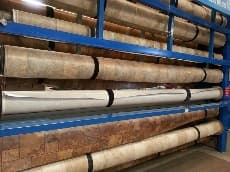
Eum luxury vinyl tiles lvt - 650g m2, scratch resistant, water resistant, and easy installation
10000 square meters in stock
Flooring
ccvvww
VerifiedCanada
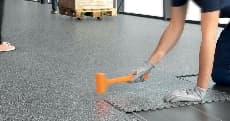
Gerflor luxury vinyl tiles lvt - 6mm thickness, 1200x1200mm size, 0.5mm grout line, 20 year warranty
55000 square meters in stock
Flooring
ccvvww
VerifiedCanada
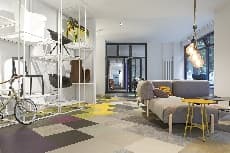
Forbo flooring - high-quality commercial flooring solutions
1500 square meters in stock
Flooring
ccvvww
VerifiedCanada

Beaulieu america high-quality carpet tiles
70000 square meters in stock
Flooring
ccvvww
VerifiedCanada

Novafloor - high-quality engineered hardwood flooring
25000 square meters in stock
Flooring
ccvvww
VerifiedCanada
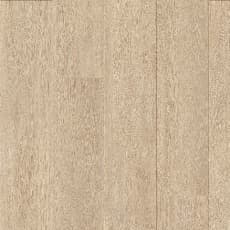
Luxury vinyl tiles lvt by faus international flooring
55000 square meters in stock
Flooring
ccvvww
VerifiedCanada
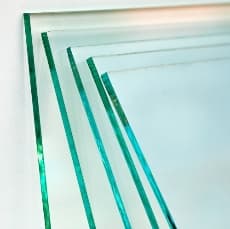
High-quality float glass for building materials 6mm thickness, clear tempered glass
15000 square meters in stock
Glass
ccvvww
VerifiedCanada

Tempered glass sheets 6mm thick, 12 x 12 size - b2b wholesale
30000 square meters in stock
Glass
ccvvww
VerifiedCanada
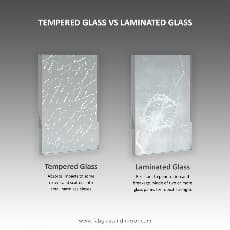
High-quality laminated glass for durable protection
80000 square meters in stock
Glass
ccvvww
VerifiedCanada
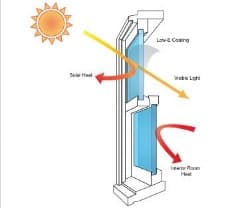
Erformance low-e glass for energy-efficient buildings
20000 square meters in stock
Glass
ccvvww
VerifiedCanada

Frosted glass candle holders
40000 square meters in stock
Glass
ccvvww
VerifiedCanada
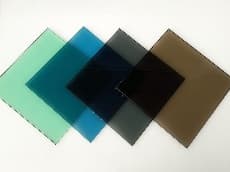
Tinted glass panels for privacy and style
45000 square meters in stock
Glass
ccvvww
VerifiedCanada

Reflective glass sheets - durable, low-energy solutions for commercial buildings
90000 square meters in stock
Glass
ccvvww
VerifiedCanada

Handcrafted stained glass window panel -
80000 square meters in stock
Glass
ccvvww
VerifiedCanada
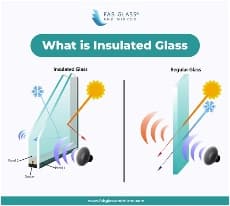
Insulated glass for energy-efficient buildings
65000 square meters in stock
Glass
ccvvww
VerifiedCanada
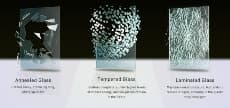
High-quality safety glass for construction sites 6mm thickness, 100 recyclable
70000 square meters in stock
Glass
ccvvww
VerifiedCanada
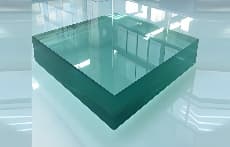
Bulletproof glass - durable and impact-resistant protection for your home or office 6mm thick, 12 x 12 size
80000 square meters in stock
Glass
ccvvww
VerifiedCanada
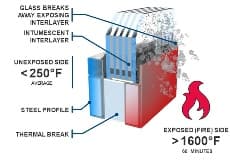
Fire-resistant glass panels for commercial buildings
20000 square meters in stock
Glass
ccvvww
VerifiedCanada
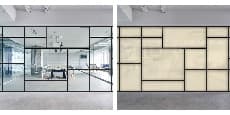
Smart glass solutions for energy-efficient buildings
9000 square meters in stock
Glass
ccvvww
VerifiedCanada
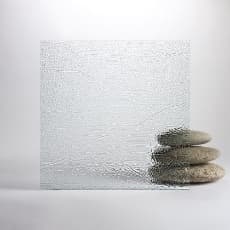
High-quality patterned glass tiles for exquisite bathroom decor
80000 square meters in stock
Glass
ccvvww
VerifiedCanada
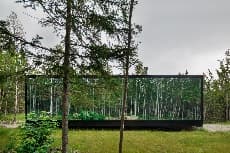
Mirrored glass wall panels 6mm thick, silver frame
15000 square meters in stock
Glass
ccvvww
VerifiedCanada

Owens corning fiberglass batt insulation r-38 - 48 x 96
70000 square meters in stock
Heat Insulation Materials
ccvvww
VerifiedCanada

Johns manville premium fiberglass insulation
30000 square meters in stock
Heat Insulation Materials
ccvvww
VerifiedCanada
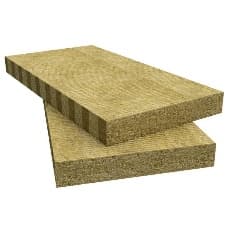
Rockwool insulation boards - 65mm thickness, 1200mm width, 2400mm length 1000pcs pallet
3500 square meters in stock
Heat Insulation Materials
ccvvww
VerifiedCanada
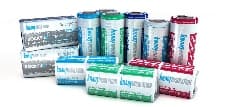
Knauf insulation - high-performance insulation solutions for buildings
67000 square meters in stock
Heat Insulation Materials
ccvvww
VerifiedCanada
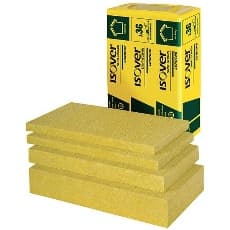
Saint-gobain insulation high-performance fiberglass batts 60mm x 45m
3500 square meters in stock
Heat Insulation Materials
ccvvww
VerifiedCanada

Durable and energy-efficient dow building solutions for commercial construction
75000 square meters in stock
Heat Insulation Materials
ccvvww
VerifiedCanada
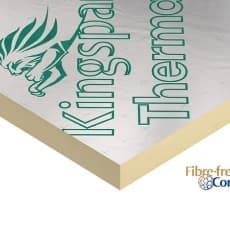
Kingspan insulation wholesale - 90 thermal efficiency for energy-efficient buildings
55000 square meters in stock
Heat Insulation Materials
ccvvww
VerifiedCanada
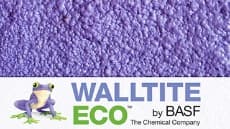
Basf walltite - high-performance wall tile adhesive 60g m2, 24hr
100000 square meters in stock
Heat Insulation Materials
ccvvww
VerifiedCanada
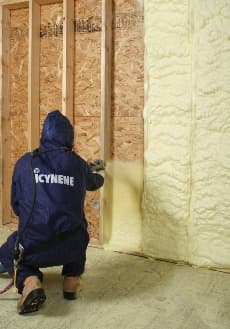
High-quality icynene insulation for energy-efficient buildings
70000 square meters in stock
Heat Insulation Materials
ccvvww
VerifiedCanada
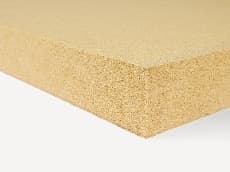
Gutex high-quality pvc coated tarpaulin 60gsm - b2b wholesale
1500 square meters in stock
Heat Insulation Materials
ccvvww
VerifiedCanada
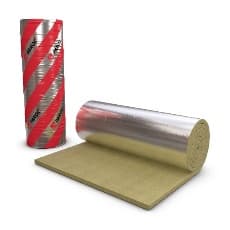
Paroc eco-friendly acoustic panels 60x60cm - 100pcs
100000 square meters in stock
Heat Insulation Materials
ccvvww
VerifiedCanada
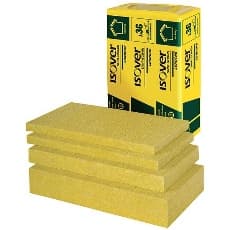
Insulation solutions for energy-efficient buildings
5000 square meters in stock
Heat Insulation Materials
ccvvww
VerifiedCanada
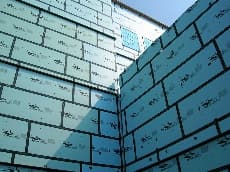
E xps extruded polystyrene boards for wholesale -
65000 square meters in stock
Heat Insulation Materials
ccvvww
VerifiedCanada
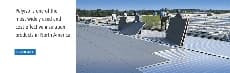
High-performance polyiso insulation r-38 inch | 100 recycled | sustainable & energy-efficient
20000 square meters in stock
Heat Insulation Materials
ccvvww
VerifiedCanada
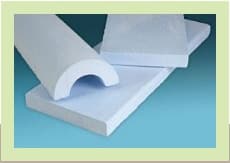
High-quality expanded perlite insulation for energy-efficient buildings
10000 square meters in stock
Heat Insulation Materials
ccvvww
VerifiedCanada
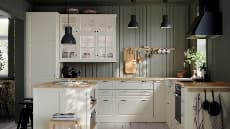
Ikea kitchens - modern, affordable, and customizable for your home
85000 sets in stock
Kitchen
ccvvww
VerifiedCanada
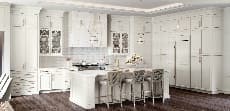
Kraftmaid premium quality kitchen appliances - wholesale
20000 sets in stock
Kitchen
ccvvww
VerifiedCanada
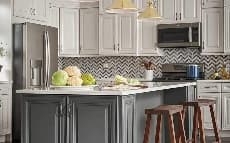
High-quality home depot kitchens | stainless steel appliances | 30 off | b2b wholesale
60000 sets in stock
Kitchen
ccvvww
VerifiedCanada
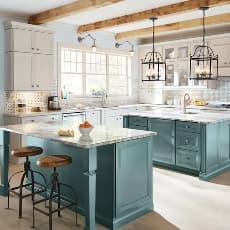
Thomasville cabinetry - high-end kitchen cabinets for residential and commercial use
15000 sets in stock
Kitchen
ccvvww
VerifiedCanada
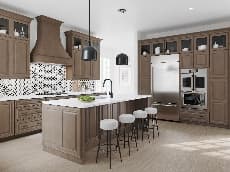
Shenandoah cabinetry - high-quality wooden kitchen cabinets
45000 sets in stock
Kitchen
ccvvww
VerifiedCanada
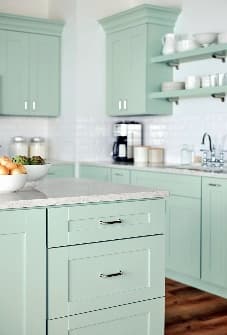
Martha stewart living kitchens - high-quality, customizable kitchen cabinets
15000 sets in stock
Kitchen
ccxxyy
VerifiedCanada